




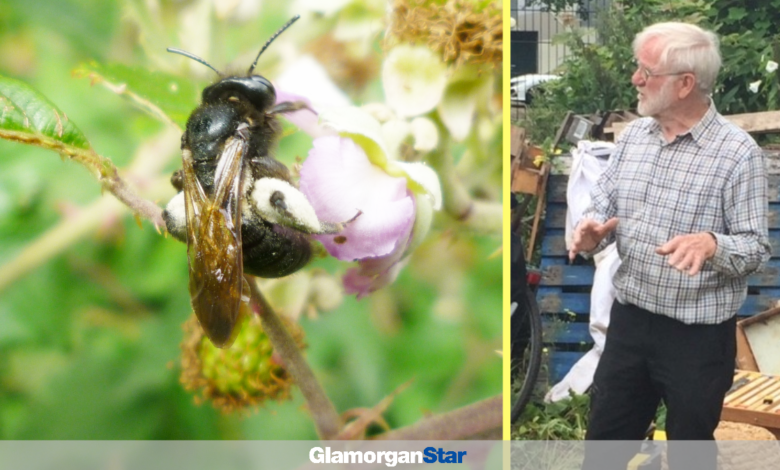


THE unsettled weather conditions are still persisting and this, of course, is sometimes catching the bees out. Sudden heavy showers are not something that they can pick up on and some of the foragers do not make it back.
Generally, the bees are pretty good and are well aware of rain or strong winds in the offing. They cut short their foraging and return to the hive post haste. When the beekeeper is examining a colony, the sudden influx of returning bees should alert him/her to the fact that the bees have detected such a change and should act accordingly, i.e., cease inspection and close up the hive. Despite these unsettled conditions, the bees are managing to slowly but steadily fill up the super combs.
Once this incoming nectar is deposited into the cells of the honeycomb, the house bees will proceed to turn it into honey and apply a wax seal. At this time of the year, our hives contain around 60,000/ 70,000 individuals and the nectar/honey is their food supply – along with the pollen that is also collected. Given a few days of inclement weather, this food store can steadily diminish as the colony make use of its in-house supplies.
The beekeeper has to be aware that the weather is the dominant factor here. Not every year will provide an abundance of honey within the colony, so occasionally the beekeeper has to forgo what he/she might consider ‘their share’ and even look to feeding their bees. At present it will not come to that. Each colony has two supers in place and I will be very considerate of my bees’ requirements and leave well alone for now, especially as the weather predictions do not promise any prolonged summer weather.
In the immediate surroundings of my workshop there are a great deal of blackberry bushes. When they were in flower, I observed a number of very black bees busily working them. This species is the original British Black Bee. Many years ago, a mystery disease all but wiped them out and the importation of foreign bees had to be resorted to for beekeepers to carry on with their craft.
It is more than likely that these bees have established themselves in a tree so I must now endeavour to find them and monitor their activities.
What will I do if I locate them? Who knows!
By Harold Williams
Other items to read:
- Let’s build something better for our communities
- Plaid Cymru is ignoring plight of Heath Hospital
- Vale Show highlights importance of the rural economy
- I’m proud that all parties agreed on children in care plan
- Royal Welsh highlights the role of the rural economy
⭐ All of our social media in one handy place – here


Pencoed tangled up by ‘Seaweeds’

Primary school’s former deputy head is banned from teaching
I make no apologies for calling Plaid Cymru ‘separatists’

‘The importance of participation and continued learning’

Opposition leaders clash with First Minister over independence rally

How Kevin saved a stranger’s life


