Controversy over plans to expand Senedd members from 60 to 96
Extra cost to tax payer of £2,445,120 per year




By MARCUS STEAD.

Plans to increase the size of the Welsh Parliament from 60 to 96 members have been met with a mixed reaction from across the political spectrum.
The proposals were unveiled by Labour First Minister Mark Drakeford and Plaid Cymru leader Adam Price – part of the three-year co-operation agreement between the two parties, and are set to take effect from the next elections in 2026.
Members of the Welsh Parliament without extra responsibilities currently receive a base salary of £67,920, meaning at current rates an increase of 36 members would cost the taxpayer an extra £2,445,120 per year, but in real terms the figure will be far higher as members employ support staff and are allowed to claim for a range of expenses.


Supporters of the proposals say the expansion is necessary to cope with the increasing workload and will result in better scrutiny of legislation.
In a typical week, the Welsh Parliament sits for around four hours on Tuesday and Wednesday afternoons, with some members also taking part in committee meetings at other times. Members also spend time dealing with casework affecting their constituents.
The way members are elected will also change radically. At present, the Welsh Parliament consists of 40 constituency members who are elected via the ‘first past the post’ system, with the remaining 20 members being chosen via a second ‘regional list’ vote whereby voters select a party rather than an individual, and the seats are then allocated using a form of proportional representation.
Under the new system, there will be just one ballot paper, and electors will chose a party rather than an individual.
In a separate development, by the time of the next Welsh Parliament elections, the number of Welsh seats in the House of Commons could decrease from the current 40 to 32 if current proposals to UK-wide boundary changes are agreed.
For the Welsh Parliament elections, the proposed 32 House of Commons seats will be paired to create 16 constituencies, each of which will elect six members via a party list system.
Among the most controversial aspects of the proposals is a legal requirement for parties to nominate an equal number of male and female candidates, and the list of names on the ballot paper must alternate between the sexes.
It is not clear what this requirement means for those who identify as non-binary, nor does it explain what would happen if a person chose to self-identify as being from the required sex to get around the ballot paper quota rules.
The proposals will require the support of two-thirds of the current Welsh Parliament, but with Labour and Plaid Cymru having 43 of the 60 seats, they are highly likely to be approved when the vote takes place next month.
Announcing the proposals, First Minister Mark Drakeford said: “The case for Senedd reform has been made. We now need to get on with the hard work to create a modern Senedd, which reflects the Wales we live in today. A Parliament that truly works for Wales.”
Endorsing the proposals, Plaid Cymru leader Adam Price said: “These reforms will lay the foundations for a stronger Welsh democracy and a fairer, more representative Senedd that will look entirely different to the outdated political system at Westminster.
“A stronger, more diverse, more representative Senedd will have a greater capacity to perform its primary purpose of making a positive difference to the lives of the people of Wales.”
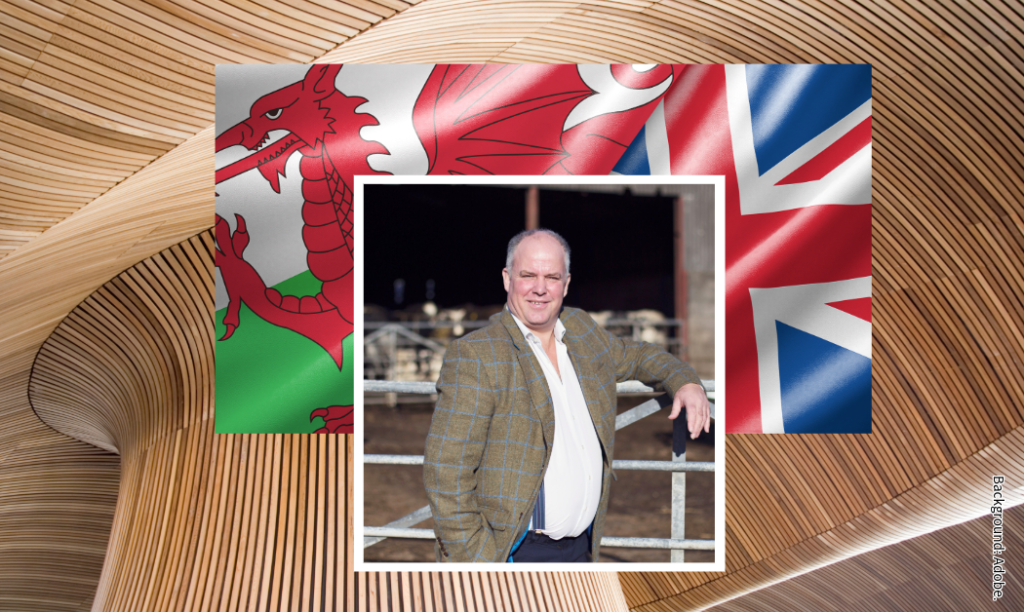
The plans were strongly criticised by Welsh Conservative leader Andrew RT Davies, who said: “Wales does not need more politicians in Cardiff Bay – we need more teachers, doctors, dentists and nurses.
“With residents across the country facing cost-of-living pressures, the last thing they need is to be footing the bill, expected to be more than £75 million over five years at least, for Labour and Plaid’s pet project.”
The way votes will be counted under the proposals heavily favours the larger parties, and a seismic shift in voting patterns would be required for the outcome of elections to be anything other than a Labour-led administration with some form of co-operation with Plaid Cymru.
Welsh Liberal Democrat leader Jane Dodds, who is currently the party’s only representative in the Welsh Parliament, said that at present, a party needed between six and eight per cent of the vote to win a seat, but under the new proposals, this would increase to at least 12%: “The raw reality is that votes won’t match seats. Some of the smaller parties, like ourselves and the Greens may be excluded – it flies in the face of democracy,” she said.
In the last Welsh Parliament elections, the Liberal Democrats achieved a national vote share of 4.3% in constituencies and 4.9% in the regions, meaning that if the pattern was repeated using the new system, the party would fall well short of the numbers required to have any elected members.
However, Ms Dodds welcomed some aspects of the plan, including the introduction of gender quotas.
The proposals were also heavily criticised by Labour stalwart Jeff Jones, former leader of Bridgend County Borough Council, who said on Twitter: “What is proposed by Drakeford and Price today is not the way to introduce constitutional change. It’s fundamentally undemocratic.
“You get rid of the present dog’s breakfast of an electoral system for the Welsh Senedd only to end up with the dog’s vomit of a system.
“It’s a fig leaf designed to preserve a political status quo which suits Legal Wales and the Bay elite.”
Mr Jones called for a Wales-wide referendum on the changes before they are implemented, and he went on to question whether the Welsh Government has a mandate to make the changes: “Great play is made for a mandate for increased numbers in the Welsh Senedd on the basis of last year’s Senedd elections. But is there a mandate given that was not a major issue and hardly discussed?
“Turnout was 46.6%. The majority on electoral register didn’t bother to vote.
“Labour got 39% of those who voted, which equates to 18.8% of registered electors, and Plaid got 20% of those who voted, only 9.4% of registered electors!
“The two authors of today statement have a mandate for change from precisely 28.2% of registered electors and that’s assuming that all of those who voted for both parties agree with these changes.
“71.8% of registered electors didn’t vote for either party. This not a strong basis for any constitutional change, particularly when the option presented breaks the link between the elector and his or her elected representative. The people should be consulted,” he said.
At a time when the cost of living crisis is top of many people’s concerns, Mr Jones added: “Would 36 extra Senedd members make any difference? Answers on the back of a postage stamp.”
🌟 This article first appeared in the printed edition of the Glamorgan Star on 19.05.22.


| Scroll down to comment on this article
• | Senedd Climate Change Committee: ‘Wales needs action, not empty words’


Pencoed tangled up by ‘Seaweeds’
Primary school’s former deputy head is banned from teaching
I make no apologies for calling Plaid Cymru ‘separatists’

‘The importance of participation and continued learning’

Opposition leaders clash with First Minister over independence rally

How Kevin saved a stranger’s life

| Scroll down to comment on this article