

A SHOPLIFTER who assaulted a security guard and threw drink in his face is in jail thanks to facial recognition technology.
On 12th June, an unknown man walked into the Sainsbury’s store on in Cardiff, and put two alcoholic drinks into his pocket before trying to walk out. A shop security guard saw him and asked for them to be returned but the man refused. He left the shop but returned shortly after to throw one of the drinks over the security guard and punch him.

South Wales Police (SWP) says it uses facial recognition technology to prevent and detect crime and help protect the vulnerable, and that Facial Recognition is a technology capable of comparing a human face from a digital image against a database of faces.
A spokesperson from SWP said: “Officers sourced a CCTV still of the suspect from the store and Retrospective Facial Recognition Technology identified Marcus Spiteri. Retrospective Facial Recognition Technology compares still images of faces of unknown subjects against a reference image database in order to identify them.
“Spiteri, 39, was arrested, charged with assault and shoplifting and jailed for 14 weeks within one week of the offence taking place.”
SWP officer PC Grace Burr added: “We will not tolerate any form of abuse towards shopworkers. Working closely with management at the Sainsbury’s store in Cardiff, we were able to use facial recognition technology to identify the perpetrator quickly and make an arrest. He found himself in prison within a week, and it’s this type of quick justice which facial recognition technology can help deliver.”
Facial Recognition Technology analyses key facial features and generates a mathematical representation of these features. It then compares them against the mathematical representation of known faces in a database, generating possible matches.
SWP currently utilises NEC’s NeoFace facial recognition technology.
Before using live facial recognition (LFR), a watchlist of offenders is created, that are wanted by the police and courts. The watchlist also includes people who may pose a risk of harm to themselves or others.
LFR cameras target an area and the images are streamed to the live facial recognition technology. The images are compared against the images in the watchlist. When the technology finds a possible match an alert is generated.
An officer then compares the camera image to the person they see and decides whether to speak to the person.
SWP claims they will delete the images with alerts immediately after using them or within 24 hours. The images and biometric data of those who don’t cause an alert are automatically and immediately deleted. The force records the CCTV footage that is used by the LFR technology and keeps it for 31 days.
- ‘StoreNet’ aims to cut shoplifting in Barry

- Barry drug dealer re-arrested after prison release jailed for six years
- Man jailed for a series of crimes across Barry

⭐ All of our social media in one handy place – here

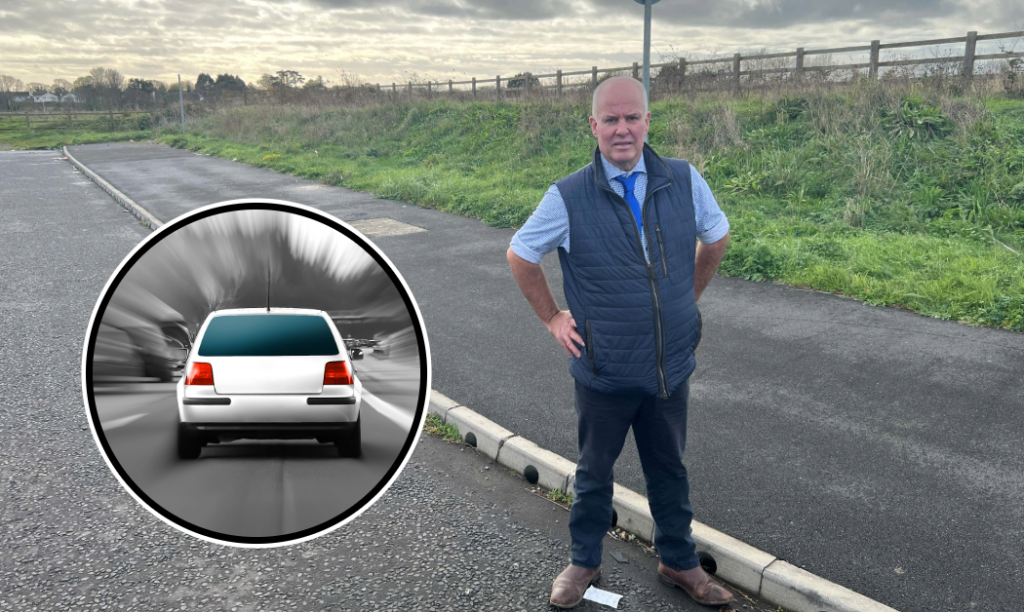
MS calls for action on car racing in Llantwit Major

Cardiff Airport lose out to Corries

Cate McHugh is living the dream after winning The Voice UK
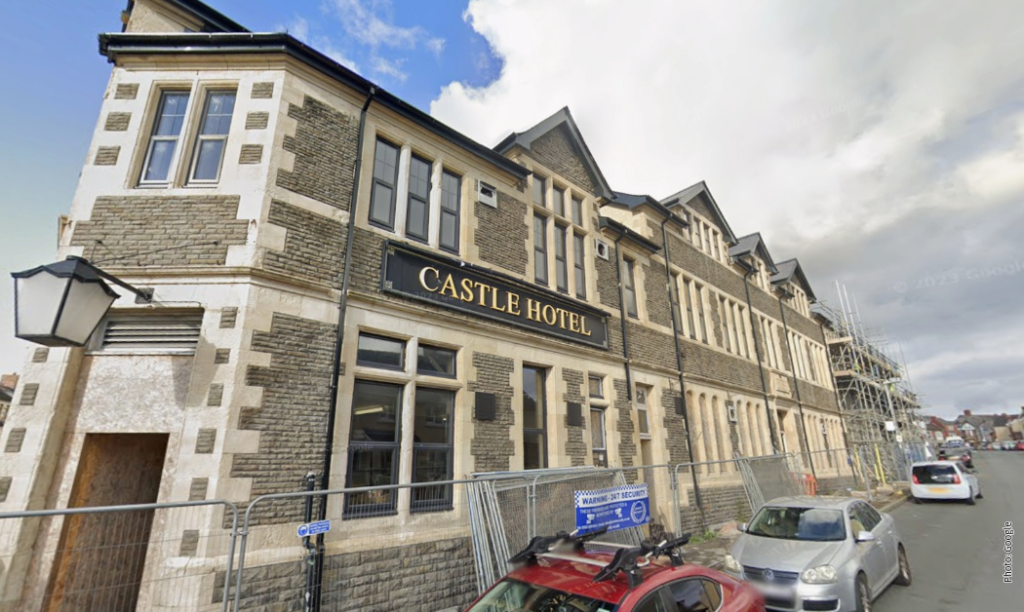
Yes to more flats in Barry but no to public house

Finally, a game for Barry RFC

Imps top the league – but pursuers have games in hand