



When the ‘Great Escape’ left locals locked in their homes
Local history with Graham Loveluck Edwards

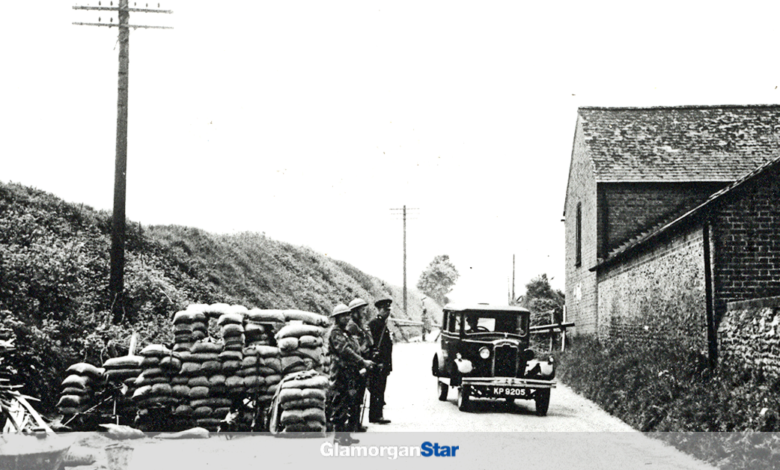


WE have just had a very significant anniversary in the Bridgend and Vale area which many local people may be forgiven for not having noticed. It is a remarkable story that bears repeating until everyone is aware of it.
It was 10th March 1945, and the world was in the closing stages of World War II. Earlier in the day, the people of Bridgend, much like those everywhere else in Britain, were glued to the evening news on their ‘wirelesses’.
Reports were coming in that the last remaining German forces west of the Rhine had retreated. They must have been jubilant and gone to their beds with a spring in their step. The horrors of war would have seemed far away. Surely the war is now nearly over?
In the bigger scheme of things, these thoughts would have been quite justified. But events were to unfold that very night that would give people in and around Bridgend one last fright.
The lead story on the midnight news must have had people shocked to their core. A total of 70 German prisoners of war had broken out of Island Farm Prisoner of War camp in Bridgend!

It was the single biggest breakout of German PoWs of the entire war in Britain. Soldiers and Police were being drafted in from surrounding areas to try and track them all down. People were warned to stay indoors and keep their windows and doors bolted shut.
Eventually all 70 were rounded up. Most seemed to see the escape as just some high jinks – as 23 of them only went as far as the dunes in Merthyr Mawr before stopping to set up a camp.
A couple more were altogether more adventurous. They stole a doctor’s car in Bridgend but without the keys they had trouble starting it. Then some off duty soldiers came across them. The escaped German PoWs convinced the soldiers that they were Scandinavian engineers working in Bridgend and persuaded the soldiers to give them a push. With a wave as they disappeared into the distance, they drove the stolen car until it ran out of fuel in Gloucestershire.
They then boarded a train that took them to within a few miles of Birmingham where they got off and hid in a bush near an airfield to plan their next move. They potentially could have made a ‘home run’ if it were not for a curious herd of cows who surrounded the bush to investigate who their new neighbours were. The farmer raised the alarm, and the last remaining fugitives were captured.
There is a small group of volunteers who are determined to keep this story and all the other history wrapped up in the Island Farm camp alive. They call themselves the Hut 9 Island Farm Preservation Society and they are custodians of the last remaining hut on the camp. The one from which the Germans tunnelled out and that tunnel by the way, 78 years later, is still very much intact. German engineering you see – there’s nothing like it.
If you would like to find out more about this place’s fascinating history which extends far beyond just this story, there are two courses of action I can recommend. First off, with the help of Brett Exton from the Hut 9 group, I have made a podcast of the history of the camp which you can access on Youtube/GrahamLoveluck.
The second and altogether more immersive experience I would recommend is to go to the camp on Saturday, 15th April as the group are having an open day with guided tours of Hut 9, talks and re-enactments. You need to pre-book, so people do not all turn up at once, but tickets are available from their website here.
By Graham Loveluck Edwards
Read next:
- Let’s build something better for our communities
- Plaid Cymru is ignoring plight of Heath Hospital
- Vale Show highlights importance of the rural economy
- I’m proud that all parties agreed on children in care plan
- Royal Welsh highlights the role of the rural economy
⭐ All of our social media in one handy place – here


First Minister accused of ‘letting victims down’ over grooming gangs inquiry

What does my ‘Sentinel Apiary’ actually do?

Trio are sentenced over ‘drugs in prison’ plot
The bells, the bells – bringing a Time and Tide Bell to Barry

Penalty shoot out leads to Cup exit for Airport

Ring rusty Barry RFC make a promising start


