

VOLUNTEERS who were helping clear a Barry charity shop after it closed decided to do some detective work after finding a batch of foreign postcards.
The trail took them to Canada, Switzerland and on to Ukraine, where surviving family are living on the frontline with Russia. One family member was so touched to receive the piece of history that she sent a £100 donation to a Barry charity.

The starting point for this was the closure of the Holton Road charity shop ReStore.
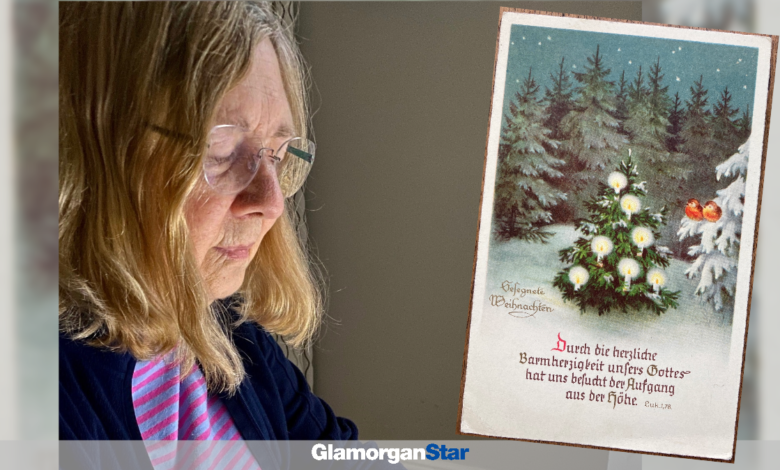
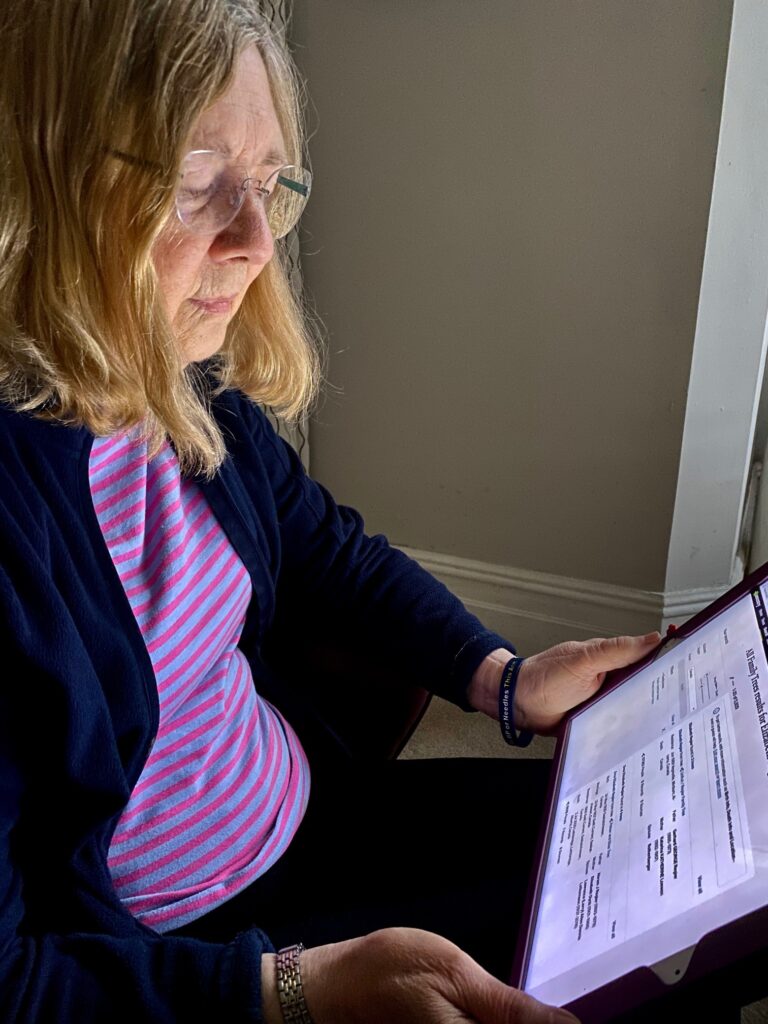
Volunteer Diane Brook said: “My friend Kirsty showed me some postcards, photos, newspaper cuttings, and asked if she should throw them away. We are both keen family historians, so I said: ‘No, give them to me. I will try to find relatives who might want them.’
“I listed the 64 cards and found they were a collection. Some were blank, never sent to anyone. That said, there were groups sent to the same person or family, in England and Wales but also the USA and Canada. We have no record of who donated them.
“I started by looking at Ancestry – a genealogy database. I have a full international subscription so I can check sources all over the world. The first success was a set of five cards from London and Swansea, with a distinctive Polish surname. Michael S… of London responded to my Ancestry message, saying he would like the cards as they were probably to his aunt and uncle. Off they went with a request to send something to the charity, which he said he would do.
“The next response was about three cards, not posted but all in German, again with distinctive names. I had messaged a researcher who had all the surnames in her extensive tree. It turns out she is Canadian, living in Switzerland! She explained these Germans were well known to her but were actually Mennonites, a group who had moved to ‘South Russia’ (now Ukraine) in the late 1700s.
“Some branches of the family had later moved to Canada which explained the address of Winnipeg on one of the cards. The researcher suggested the cards, which were all Christmas greetings, were sent inside letters, explaining why they were not stamped.
“The researcher sent me links to their stories, especially that of Elizabeth R… who had written one of the cards. She was born in 1916 in Tiegenhagen and died after 1989. And where was Tiegenhagen? Just south-east of Zaporizhzhia, a frontline town in the current Ukraine war.
“This woman left an account of her life lived mostly in Ukraine, describing her firsthand experiences of the famines, invasions, forced removals and family deaths, a personal history illustrating the terrible stories of Ukraine in the 20th Century. She survived and settled in Germany at the end.
The family researcher sadly reports she has relatives in both Russia and Ukraine who are suffering now.
“A whole international history from just three postcards. I asked the researcher to make a donation to the Foodbank, the charity which ReStore supported, expecting maybe £5 or £10. She sent £100! She felt these little moments of her family’s past were a treasure. And, we had nearly thrown them away!”
By PHILIP IRWIN, Senior Reporter
Other items to read:
- Barry rowers take on The Thames for charity
- Charitable trust helps out Penarth hospice
- Kiera takes on half marathon to celebrate her fight back from leukaemia
- Welsh blood bike charity appeals for your help
- Praise for Cowbridge’s own ‘local hero’
⭐ All of our social media in one handy place – here


Pencoed tangled up by ‘Seaweeds’
Primary school’s former deputy head is banned from teaching
I make no apologies for calling Plaid Cymru ‘separatists’

‘The importance of participation and continued learning’

Opposition leaders clash with First Minister over independence rally

How Kevin saved a stranger’s life