Councils respond as report reveals ‘staggering’ debt levels
Welsh councils say they have stayed away from risky investments




AFTER a BBC data report highlighted the scary amounts owed by councils in England, Wales and Scotland, local government experts in Wales have downplayed the issue, saying that Welsh councils have avoided risky investments.
In Wales, a total sum of £5.6 billion worth of debt has been reported across its 22 authorities. In comparison, Scotland has a total of £14 billion, while England has a staggering figure of £102 billion.
For more than a decade, council chiefs have been encouraged to borrow funds to invest in local schemes and commercial properties.
Speaking after the figures were published, a spokesperson for the Welsh Local Government Association said the lower figure seen in Wales could be because Welsh councils have not borrowed as much to support such commercialisation strategies.
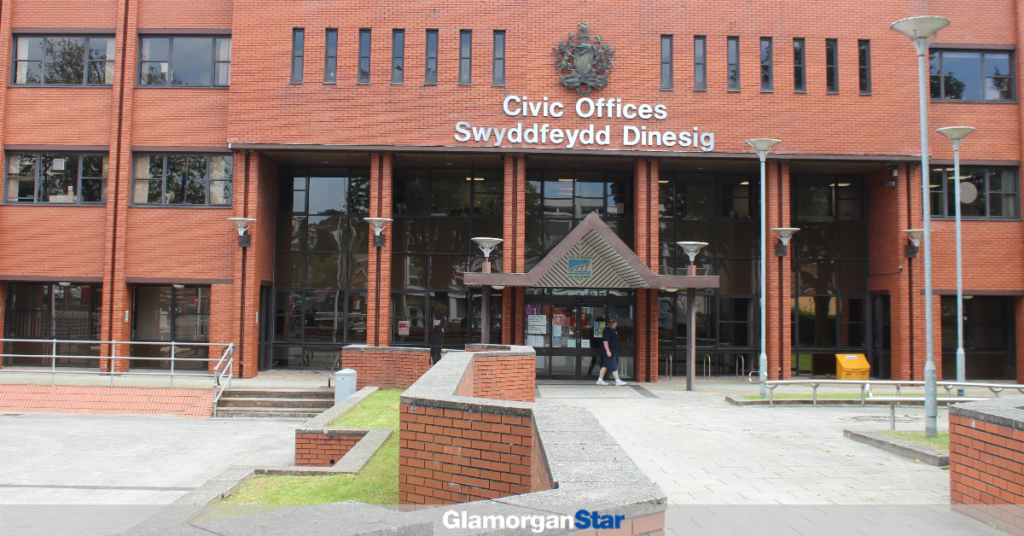
Bridgend County Borough Council (BCBC) and the Vale Council have low levels of debt – compared to the other councils. BCBC has a current debt of £96,867,000. This £96 million works out at £665 per person in the borough. The Vale Council has a debt of £145,656,000, which works out at £1,099 per person.
It’s here that things get complicated.
It was about 20 years ago that BCBC were able to remove any debts for building council houses by transferring the ownership to Valleys to Coast (V2C). A grant of £48 million from the Welsh Government made this possible.
What this means is that councils such as the Vale and Cardiff still have council house debt on the books. However, when it comes to income from rent, those councils receive cash while BCBC receives none.
So, the tricky area is assessing how much reliable income comes in from those council debts – and how much is in riskier areas? English councils in trouble have made some questionable investments.

The Chair of Westminster’s Public Accounts Committee, Dame Meg Hillier described the borrowing levels at some councils as “staggering” and said a legacy of debt would continue to squeeze the amount councils have to spend on services for years to come.
Some council leaders say years of under-funding mean they have been forced to take out loans and invest in commercial properties just to keep services running. Investing in commercial properties has backfired badly for some councils, including Croydon.
In recent years, commentators have warned that the debts held by councils – which must balance their budgets every year – are unsustainable. In 2020, Dame Meg Hillier said the Government was “blind to the extreme risks” of council borrowing levels.
Since then, six councils have had to issue section 114 notices declaring themselves effectively bankrupt. They are all in England: Croydon, Slough, Thurrock, Birmingham, Woking and Nottingham.
In the case of Croydon, Slough, Thurrock, Woking and Nottingham – those effective bankruptcies could be directly linked to failed investments and spiralling debts. Thurrock’s £469m funding black hole, for example, was caused by a series of failed investments in solar farms.
At first glance Cardiff, with a debt of £858,277,000 (£2,387 per person) looks similar to Nottingham, which has a debt of £868,092,000 (£2,716 per person.

Defending the Welsh capital’s financial position, Cardiff councillor Chris Weaver, cabinet member for finance, modernisation and performance, said the council was confident the spend in this area was manageable.
He said: “Cardiff is by far the biggest local authority in Wales with the biggest school building programme in Wales and the biggest council home building programme in the country. The majority of this debt relates to that capital investment in new schools and new council homes – and that can affect comparisons of the total borrowing between authorities, as many councils in Wales don’t directly own or operate council housing stock.
“We have plans to build 4,000 new council homes to help tackle the housing emergency and we are building new schools across the city to replace ones which have come to the end of their lifespan. This is the biggest school-buildings project and the biggest council-homes building project in Wales.
“These investments are helping improve the lives and the opportunities for residents and children and, in the case of the council homes programme, will bring a return on investment through rents, which will enable us to build even more council properties and affordable homes which are badly needed.
“The council’s very detailed accounts have been audited and signed off by the Wales Audit Office. It is a manageable debt and relates to the normal workings of a functioning local authority including investment in existing buildings, highway infrastructure, disabled adaptations, new affordable housing schemes and regeneration projects.”
By PHILIP IRWIN (additional reporting by Lewis Smith, local democracy reporter).
- Pencoed tangled up by ‘Seaweeds’
- Primary school’s former deputy head is banned from teaching
- I make no apologies for calling Plaid Cymru ‘separatists’
- ‘The importance of participation and continued learning’
- Opposition leaders clash with First Minister over independence rally
⭐ All of our social media in one handy place – here


Pencoed tangled up by ‘Seaweeds’
Primary school’s former deputy head is banned from teaching
I make no apologies for calling Plaid Cymru ‘separatists’

‘The importance of participation and continued learning’

Opposition leaders clash with First Minister over independence rally

How Kevin saved a stranger’s life