






As luck would have it, whilst Penarth and District Ramblers are celebrating their 30th year it coincided with the group hosting the Area Walks, when ramblers from any group are invited to take part in a choice of three walks, this year beginning from Penarth clifftop car park, and which attracted 56 walkers in total.
This 6.5-mile walk was led by Gwyn Lewis, footpath officer for Cardiff Ramblers and secretary of the Glamorgan area and greeting his group of 29-walkers in bright sunshine, they set off across the old pitch and putt course, before tramping pavements to join the disused railway track, now a walk and cycle path. Built originally as a subsidiary of the Taff Vale Railway, it carried goods and cement from the local works, along with the popular summer excursions to Lavernock, Sully and Swanbridge and was closed to passengers in 1968.

Following pavements downhill at Cosmeston Drive and utilising the traffic lights to cross Lavernock Road in safety, they made their way into Cosmeston Country Park and on past the eastern lake to join a footpath which skirts the edge of the eastern paddock, passing grassed areas, stained bright yellow with buttercups. Reaching open meadows in the north of the parkland there was a quick stop for refreshments before moving on to pass the site of a medieval village and into the churchyard of St Peter’s, which is purported to be the oldest building in Penarth.

Admiring its herring-bone masonry which dates to Celtic and Saxon times, a church was originally built on this site by a Norman knight, before huge alterations were made by the Herbert family in 1544, when the building was enlarged. But during the 18th century it fell into disrepair and by the 1880’s, was rescued from its ruinous state by the 3rd Marquis of Bute who paid for the renovations, when it was being used as a cattle shelter. It has huge ancient yew trees which were a sacred symbol of Christianity, and the long life of these trees was also a sign of immortality.
Continuing the journey past Old Cogan Hall Farm which was farmed by the Herbert family from 1540 until 1726, the present buildings date to the 16th century although refurbishments have taken place. They followed Mile Road built by the Bute family to gain access to Swanbridge, before diverting through Cogan Wood and re-joining the path which circumnavigates the western lake.
Cosmeston was once medieval farmland that was very boggy because of underground springs. Between the 1890’s and 1970 it was an active commercial limestone quarry serving the nearby concrete factory and the area was constantly having to be pumped dry. During the development of the country park, an original medieval 12th century village was uncovered by excavations and the medieval village that has been reconstructed there is set in the year 1350.

Then on through the centre of the park via Mile Road overlooking cormorants, perched on wooden posts and drying their wings at the western lake, to walk beside the eastern lake once more before stopping for lunch in warm sunshine near the main entrance to the park.
Refreshed it was time to move on and re-crossing Lavernock Road and heading up through the Cosmeston estate, they reached the clifftop with its misty views out over the Bristol Channel towards the islands of Flat and Steep Holm, the Somerset coastline and to the east the outline of Cardiff Bay and beyond, after what had been a delightful half day ramble.

You can follow the group here or on Facebook.
Report by: Joy Strangward.
Read next:
- Penarth ramblers enjoy their weekend in Sussex
- Ramblers explore Sully Island
- Ramblers celebrate with a picnic in the park
- Penarth ramblers take a liking to Lydney
- Ramblers explore two sections of the Heritage Coast
⭐ All of our social media in one handy place – here


Tŷ Hafan’s appeal target is smashed – thanks to Welsh public

Japanese ‘capsule hotel’ is coming to Cardiff
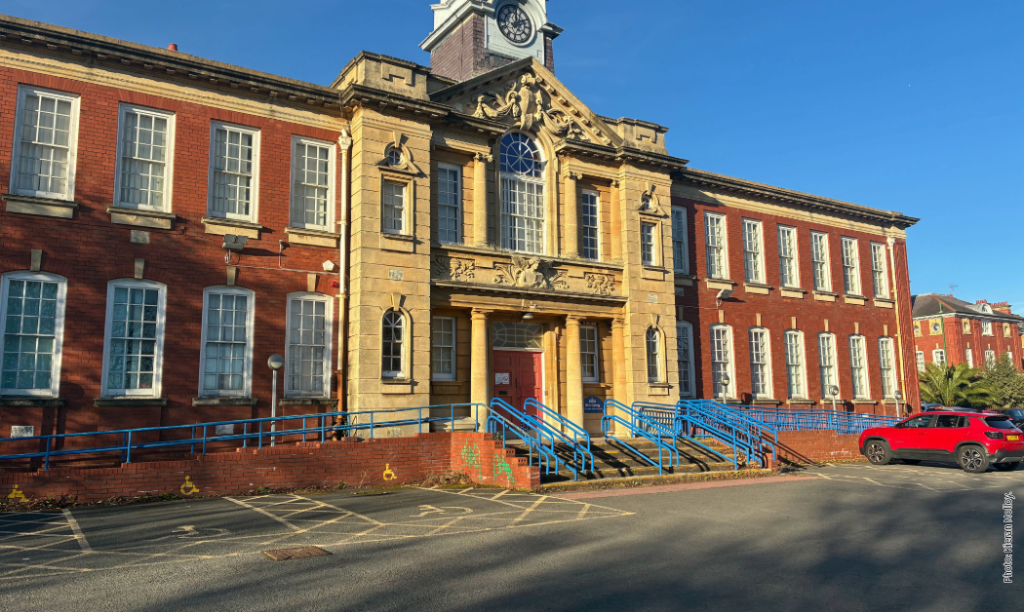
Disabled people say they are being moved to a smaller day centre

Barry man jailed following brutal attack

Barry man jailed for threatening to kill woman

Uninsured driver was trafficking drugs


