
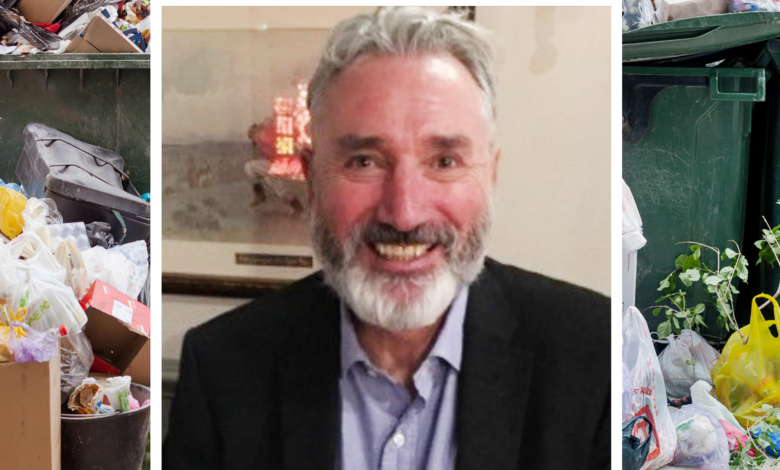


By Brian Mayne.
Big Plastic Count highlights ‘dire problems’
This column by local environmentalist Brian Mayne looks at a new report on the dire problems of plastic pollution:
A couple of months back I took part, along with 250,000 other people, in the ‘Big Plastic Count’. The results, from what has become the biggest ever investigation into household plastic, is quite shocking.
The survey revealed that on average, each household threw away 66 pieces of plastic packaging in one week, which amounts to an estimated 3,432 pieces a year, with the most common item being fruit and vegetable packaging, according to Greenpeace and Everyday Plastic who organised the event.
The campaigners say If the totals from the week are assumed to be typical they indicate that UK households are throwing away an estimated 1.85 billion pieces a week, or 96.57 billion pieces a year.
The report also highlights what happens to plastic in the UK. Only 12% of this plastic waste is likely to be recycled at reprocessing facilities here, with 17% being shipped overseas, a practice they are calling on the UK government to ban.
They go on to state that almost half of the UK’s household plastic packaging waste (46%) is likely being incinerated, whilst the remaining 25% is buried in landfill.
Chris Thorne, plastics campaigner at Greenpeace UK said “Pretending we can sort this with recycling is just industry greenwash. We’re creating a hundred billion bits of waste plastic a year, and recycling is hardly making a dent. What else do the government need to know before they act?”
The report sets out several recommendations of how the problem can be resolved. It calls for ambitious actions around targets to eliminate single-use plastic, banning exports of plastic waste, introducing schemes for reuse and reduction, and ending approvals for new (Energy from Waste) incinerators.
In Wales about a third of household plastic packaging is currently recycled with little remanufactured here. On a more positive note, Wales already has banned ‘new large energy from waste’ and has a goal to ensure no waste is sent to landfill or incinerators by 2050, a target that needs to be shortened if we are to tackle this problem quickly.
But it’s not only government that needs to act, retailers also need to take action on providing reuse and refill schemes that are convenient, accessible, and available to shoppers. We, as individuals, also have an important role in this, through purchasing choices and by recycling as much as we can. That’s why awareness campaigns like Plastic Free July® have a critical role in providing us with resources and ideas to help us reduce single-use plastic waste every day at home, work, and school.
The impressive participation of people in the Big Plastic Count shows that tackling plastic pollution is a major issue for the public. We need to go beyond recycling, stop unnecessary plastic packaging and recognise that we can all play a part in achieving cleaner streets, oceans, and countryside now and for future generations to come.
Brian is a fellow of the Royal Society of Arts, as well as the Chartered Institution of Wastes Management, Chartered Environmentalist, and is recognised by the International Solid Waste Association as an International Waste Manager.
- The views expressed by columnists of this newspaper do not necessarily reflect the views of the Glamorgan Star, its employees or its proprietors.
🌟 This article first appeared in the printed edition of the Glamorgan Star on 28.07.22. Read it in print first!
• | Refill and re-use must become a habit to tackle plastic pollution – by Brian Mayne

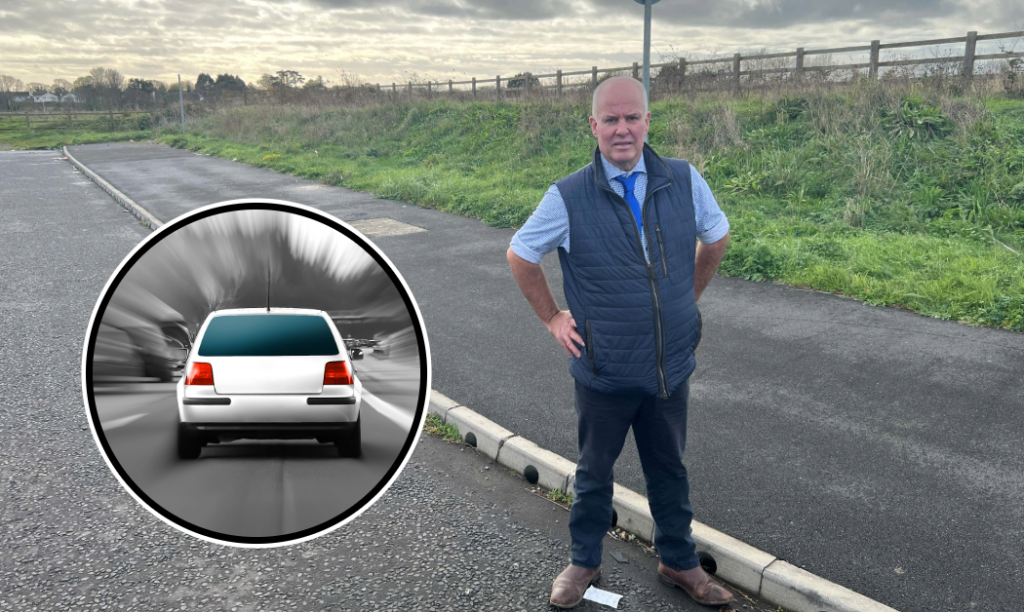
MS calls for action on car racing in Llantwit Major

Cardiff Airport lose out to Corries

Cate McHugh is living the dream after winning The Voice UK

Yes to more flats in Barry but no to public house
Finally, a game for Barry RFC

Imps top the league – but pursuers have games in hand