
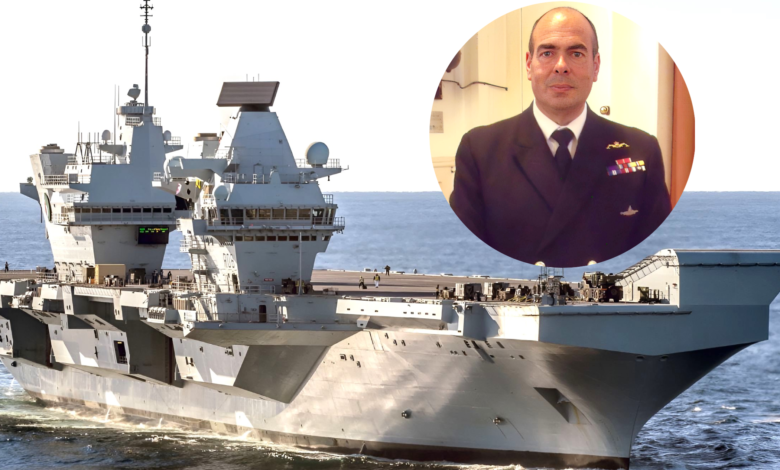


Submarine Commander talk about Royal Navy’s role in the world
Most people are probably aware that the Royal Navy maintains a continuous at sea deterrence, with at least one nuclear-armed submarine patrolling at all times, ready to respond to extreme threats to the UK.
The Navy currently has four Vanguard-class submarines (due to replaced by the Dreadnought class), with each being armed with Trident ballistic nuclear missiles.
Overall, 40% of the navy’s units are in a state of readiness at any one time.
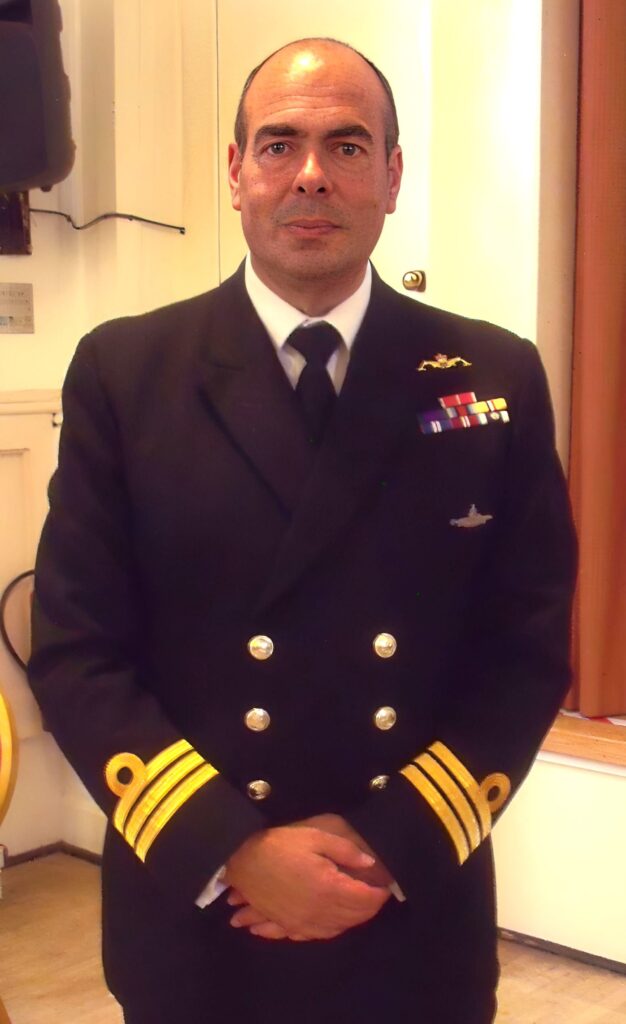
Commander Steve Drysdale RN, an officer with 38 years’ service, recently visited Cowbridge U3A to explain how and why the Royal Navy operates around the world. The United Kingdom has over 10,000 kilometres of coastline, 600 ports, where over 350,000 people have employment, and 95% of trade is by shipping, so the safe passage of nautical traffic is vital to the nation.
The country depends on a stable supply of oil, gas and raw materials (for example, one gas carrier arrives at Milford Haven every three days), so the Navy’s 30,000 sailors and marines are employed in maintaining a visible presence in both UK waters and elsewhere around the world. The overall aim is to keep the peace and prevent conflict.
A permanent presence of six ships is kept in the Gulf, as the Strait of Hormuz provides the only sea passage from the Persian Gulf to the open ocean and is one of the world’s most strategically important maritime choke points; both the Straits of Dover and Gibraltar, and the Panama and Suez Canals are other examples.
In the Indo-Pacific region, the Royal Navy, along with the Australian Navy, ensures freedom of international navigation in the disputed areas of the South China Sea.
British Overseas Territories also need the Navy to ‘show the flag’, while it is also part of the international naval piracy prevention measures off the Horn of Africa. This has protected shipping so well that there has been no hijacking of merchant vessels for three years.
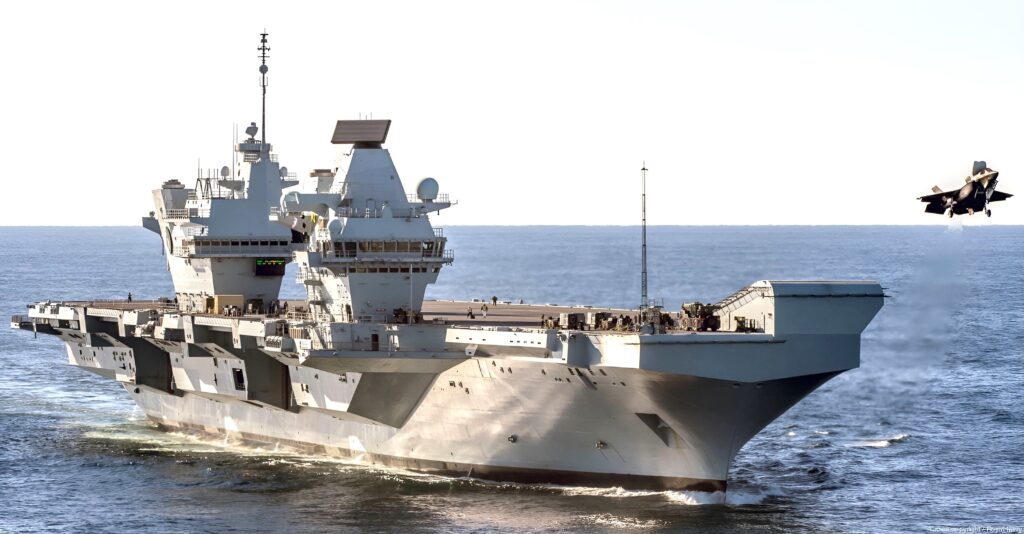
The Royal Navy is investing in technology; as well as the two most modern carriers in the world and the four planned Dreadnought submarines (the first is expected to be in service by the early 2030s). There are also the new Type 26 frigates, called Global Combat Ships, whose primary role will be to conduct advanced anti-submarine warfare missions, while supporting air defence and general-purpose operations.
Obviously, when it comes to recruitment of personnel, the Royal Navy is competing with all other businesses (as well as the Army and Royal Air Force), but currently inflow is exceeding outflow.
Commander Drysdale revealed that, as a submariner, he had once spent a total of 105 days (nearly 30% of a year) confined in a submerged “underwater warship”. Not something to be contemplated by claustrophobes!
SPM
🌟 This article first appeared in the printed edition of the Glamorgan Star on 14.07.22. Read it in print first!


Tŷ Hafan’s appeal target is smashed – thanks to Welsh public

Japanese ‘capsule hotel’ is coming to Cardiff

Disabled people say they are being moved to a smaller day centre

Barry man jailed following brutal attack

Barry man jailed for threatening to kill woman

Uninsured driver was trafficking drugs