

A COWBRIDGE mother is urging doctors and nurses to familiarise themselves with the symptoms of myeloma after it took countless visits to the GP before she was diagnosed with incurable cancer.
Her claim is supported by the charity Myeloma UK, which says that by the time Marianne Williams was diagnosed with myeloma, her kidneys were failing with only 6% function, and her body had swelled, leaving her “looking pregnant”.
“My face, head, hands and feet had swollen because my body couldn’t process fluid,” said the 50-year-old. “My stomach was enormous – I looked like I was pregnant. I’d spent the whole week with horrendous migraines, constant vomiting, dizzy spells and pain across my ribs and back. I was told I needed dialysis, life-saving treatment.”

Marianne, who is mum to Ruby, now 18, and also has two stepchildren, had repeatedly visited her GP over a two-year period with multiple infections but feels her symptoms were not linked to myeloma as she “didn’t fit the demographic” of someone with the disease.
“I’d had two years battling infection after infection – sore throats, conjunctivitis, tonsillitis, a tooth infection, headaches, a bad back and labyrinthitis, a condition that can cause dizziness” she said.
“But I think because I was young, doctors didn’t put two and two together and realise I might have an underlying condition that was more serious. I was only 43 but did wonder if these symptoms were a sign of getting older. I also thought the constant aches and pains I had could be due to working in a sedentary job. I don’t blame my GP as the symptoms can be very vague or mistaken for other general illnesses.”
Myeloma occurs in the bone marrow and currently affects over 33,000 people in the UK. Despite being the third most common type of blood cancer, it is especially difficult to detect as symptoms, including back pain, easily broken bones, fatigue and recurring infection, are often linked to general ageing or minor conditions.

While it is incurable, myeloma is treatable in the majority of cases. Treatment is aimed at controlling the disease, relieving the complications and symptoms it causes, and extending and improving patients’ quality of life.
Janis McCulloch, head of campaigns at blood cancer charity Myeloma UK, said: “Every day counts while you’re waiting for a diagnosis, and yet a third of patients visit their GP at least three times before being diagnosed. We know that doctors and patients can use very different language to describe the same symptoms, which is why we have a symptom translator to help with these conversations and ultimately get people the diagnosis they need. People with myeloma can’t wait.”
Marianne said: “I felt so unwell that I asked my GP for a health MOT and bloods to be checked,” she said. The blood tests revealed a high white blood cell count, explained by a recent infection, but there were no further investigations.
Things came to a head in November 2017, two years after Marianne’s symptoms began, when she ended up in A&E at the Princess of Wales Hospital in Bridgend with a urinary infection, Ecoli and was told her kidneys were failing.
“It was a huge shock but there was also a sense of relief. I’d known something was seriously wrong. I had numerous blood tests, was hooked up to dialysis, had a bone marrow biopsy and X-rays and scans. It was six days later that I was diagnosed with myeloma. I had never heard of it but as I heard the doctors talking I said: ‘Are you saying I have cancer?’. When I found out it was incurable I misunderstood and thought it meant I would die any day, it was so frightening. But then doctors explained that it can be treated, though it will return.”
Marianne began chemotherapy within an hour of diagnosis, along with steroids and was treated at Morriston Hospital in Swansea for the next month, alongside dialysis, making it home just in time for Christmas.
For the next six months, she had chemotherapy followed by a stem cell transplant on 1st June 2018. Now in remission, Marianne has her blood checked every four months to see the levels of cancer cells. At some point she will need more chemotherapy and another transplant but thankfully there are spare stem cells that were harvested which can be used when she needs them.
“Having myeloma makes you realise tomorrow isn’t a given and it has made me think about what is important. That first year after my diagnosis I took the entire summer off to spend time with my daughter and that meant so much. My husband, daughter and I went on a family trip to Centre Parcs, and my sisters and I went on a spa weekend. I’m now focusing on my health, eating healthily, walking more and doing online fitness classes.”

Marianne had great support from charity Myeloma UK. To give back, she has held a quiz night to raise money for the charity and her daughter Ruby has raised more than £4,200, getting sponsored to cut off her long hair in solidarity with Marianne losing hers during chemotherapy.
You can find the Myeloma UK symptom translator on: bit.ly/4l2iAoV
For more information about myeloma, go to www.myeloma.org.uk. Myeloma UK runs an Infoline on 0800 980 3332.
.
- Barry rowers take on The Thames for charity

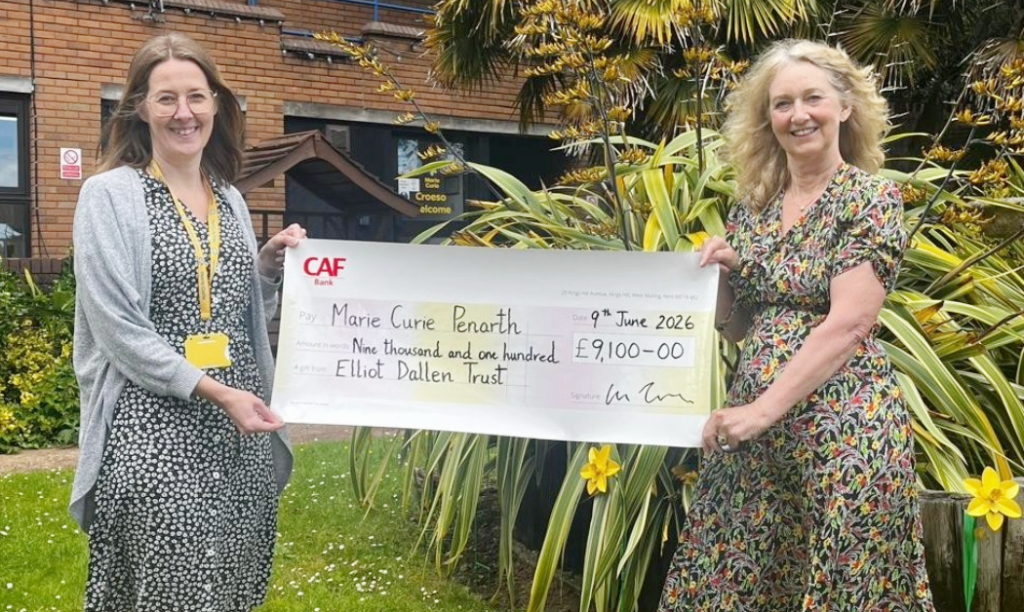
- Charitable trust helps out Penarth hospice
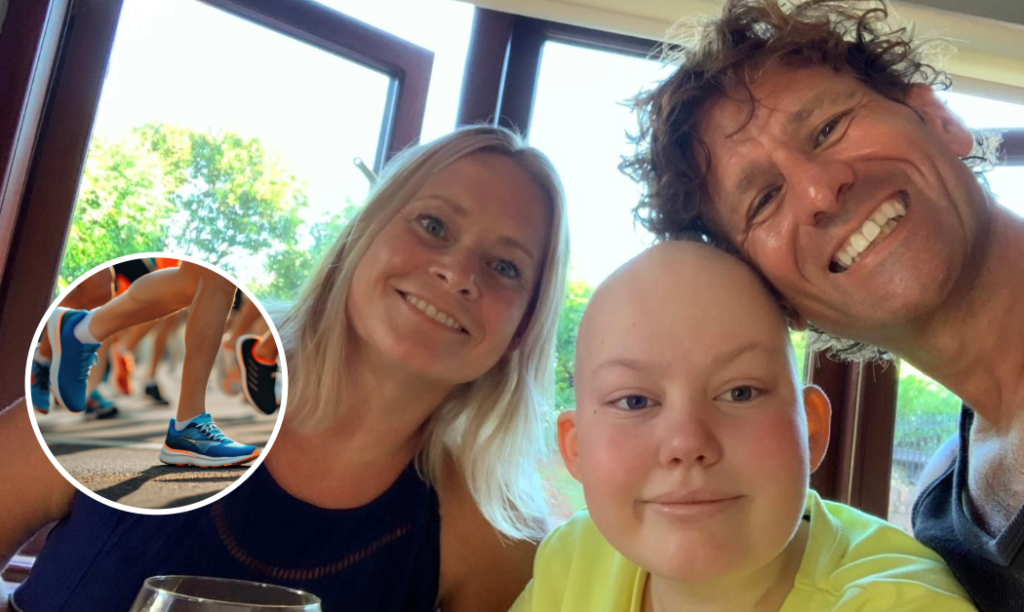
- Kiera takes on half marathon to celebrate her fight back from leukaemia
⭐ All of our social media in one handy place – here
Pencoed tangled up by ‘Seaweeds’
Primary school’s former deputy head is banned from teaching

I make no apologies for calling Plaid Cymru ‘separatists’

‘The importance of participation and continued learning’

Opposition leaders clash with First Minister over independence rally

How Kevin saved a stranger’s life