

THE role of women artists and photographers on the Home Front in World Wars One and Two are celebrated in a talk by local historian, Rosemary Chaloner at 7pm on Thursday, 28th November at the Barry War Museum and Heritage Centre.
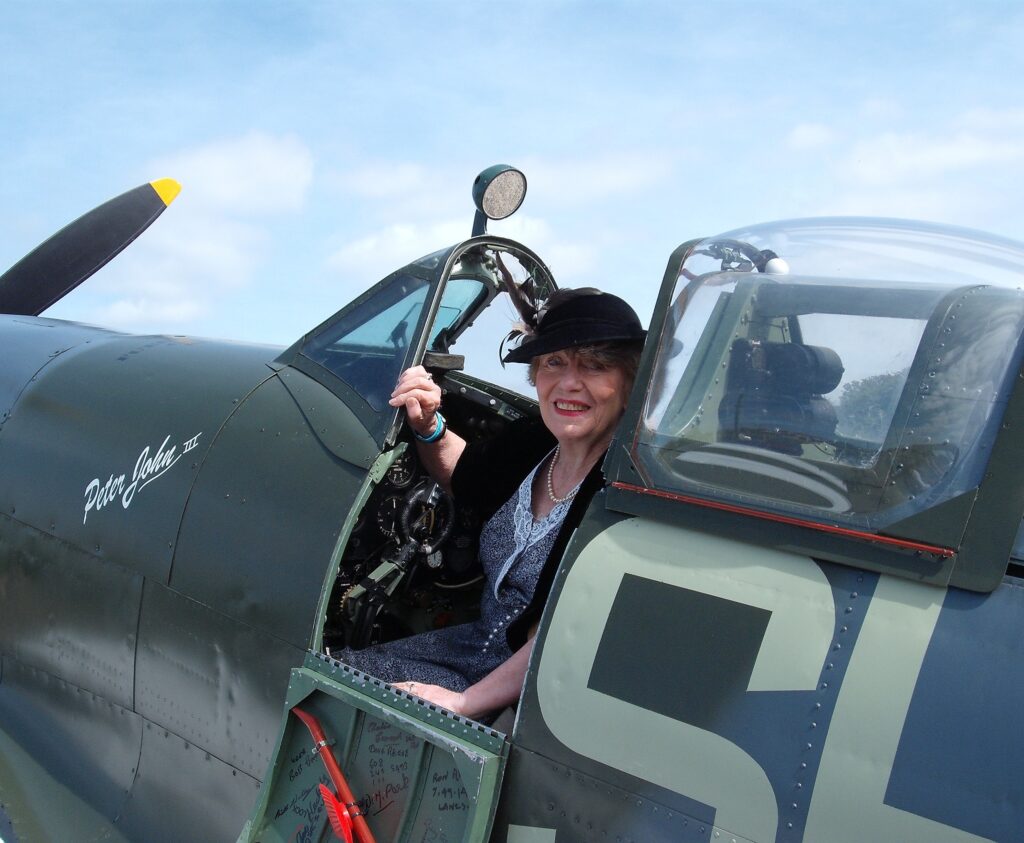
In eras where men were primarily drafted for combat, women were not only called to work in factories, farms, and hospitals but were also given the rare opportunity to step forward in creative roles traditionally dominated by men. During both wars, women artists and photographers turned their lenses and brushes to capture the sacrifices of those on the Home Front. They played a vital role in shaping the visual narrative of the Home Front, offering insights into civilian life, national resilience, and the social changes being brought about by war.
They produced poignant artworks and photographs that reflected the social upheaval and resilience of those left behind, while also supporting propaganda efforts that encouraged unity, sacrifice, and endurance. Portraying women at work in munitions factories, in fields as part of the Women’s Land Army, and in nursing roles, the work of these artists provided not only a sense of pride and unity but also served to counter traditional gender roles of women that sustained the war effort at home.
Hollywood recently celebrated the story of photographer Lee Miller. Formerly a model and later a photojournalist, she brought a deeply personal perspective to wartime photography. Her raw, unfiltered images of the destruction left by bombing raids in Britain, as well as the liberated concentration camps in Europe, offered the public stark reminders of the war’s cost.
Women’s work in art during the world wars, such as sculptress Kathleen Scott and photographers such as Olive Edis, was groundbreaking, often carrying a dual purpose of documentation and morale-boosting propaganda. Their creative output provided powerful imagery that not only captured the spirit and endurance of those affected by war but also fostered a broader acceptance of women in professional and artistic fields. The contributions of these women remain an enduring testament to the strength and resilience of women in times of crisis and set a precedent for women’s roles in the arts in the decades that followed.
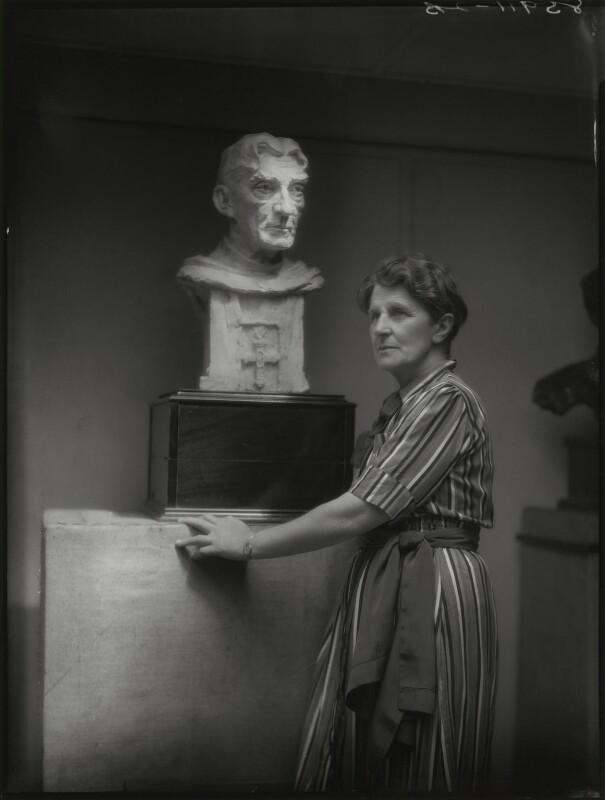

Commenting on the women artists and photographers who made a difference Rosemary said, “These women produced more than art; they captured a spirit of resilience and resolve, documenting history in ways that continue to resonate. Their work challenged stereotypes, supported national causes, and helped create a legacy that has had a lasting impact on art, society, and the history of war.”
Barry’s only museum at Barry Island Station offers a programme of free historical talks on local and military history is run by a community of volunteers. The Museum runs a schools visit programme offering an ‘evacuee experience’, telling the story of how children escaped the Nazi bombing of their homes with war-time re-enactors bringing alive its lessons.
Further details about Barry War Museum at www.barrywarmuseum.co.uk
Anyone interested in spending an hour or two helping out at the Museum, do get in touch by email or visit here.
Where is Barry War Museum:
Send us your News, Sport, Events, Letters and Advertising here.
- Joe is 100 not out and celebrates with friends in Barry

- For whom the (10) bells toll

- The Vale’s (former) power station is being broken up

⭐ All of our social media in one handy place – here