

Controls set to be lifted after worse outbreak of bird flu
After the worse ever outbreak of bird flu to hit the Vale last October, stringent biosecurity measures were introduced to help stop its spread and to protect poultry keepers stocks.
From Monday (2nd May) mandatory housing measures for poultry will be lifted with bird keepers urged to maintain scrupulous standards.
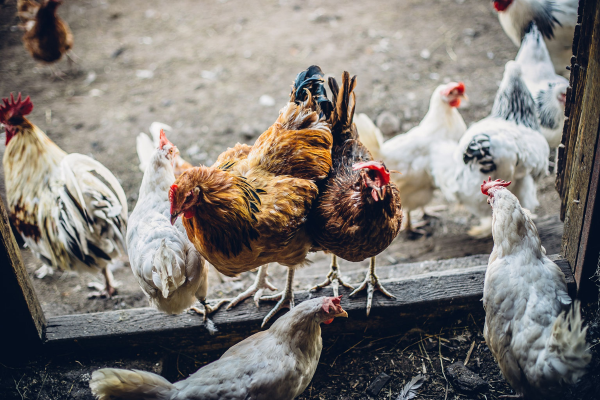
Poultry and other captive birds will no longer need to be housed, unless they are in a Protection Zone, and will be allowed to be kept outside but with all poultry gatherings remaining banned.
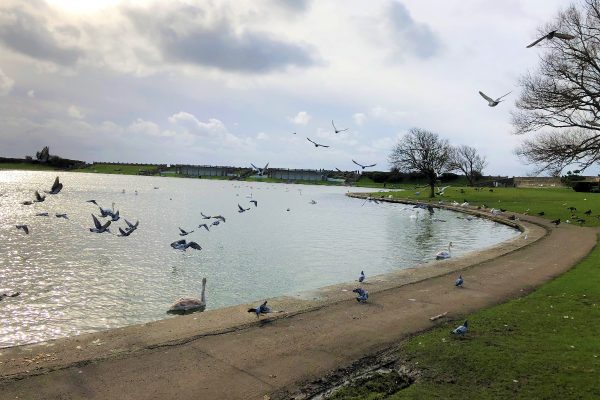
In February this year, the Vale Council said it was working with the Animal and Plant Health Agency (APHA) to investigate recent swan fatalities at the Knap Lake, Barry after it was confirmed a carcass of a swan had tested positive for H5N1 Avian Influenza.
Avian influenza spreads from bird to bird by direct contact or through contaminated body fluids and faeces. It can also be spread by contaminated feed and water, or by dirty vehicles, clothing and footwear.
Those who intend to allow their birds outside are advised to use the upcoming days to prepare their outside areas for the release of their birds. This will include cleansing and disinfection of hard surfaces, fencing off ponds or standing water and reintroduction of wild bird deterrents.
The UK has faced its largest ever outbreak of bird flu with over 100 cases confirmed across the country since late October. Scrupulous biosecurity is the most effective method of disease control available and all bird keepers should apply enhanced measures at all times to prevent the risk of future outbreaks.
In a joint statement, the four Chief Veterinary Officers said: “Whilst the lifting of the mandatory housing measures will be welcome news to bird keepers, scrupulous biosecurity remains the most critical form of defence to help keep your birds safe.
“It is thanks to the hard work of all bird keepers and vets, who have played their part in keeping flocks safe this winter, that we are in a position to take this action. However, the recent cases of avian influenza show that it’s more important than ever for bird keepers to remain vigilant for signs of disease and maintain stringent standards of biosecurity.”
The Avian Influenza Prevention Zone (AIPZ) will remain in force across the UK, with only the housing measures component being lifted from Monday 2nd May. This means all bird keepers (whether they have pet birds, a commercial sized or a backyard flock) must be diligent in continuing to take effective and precautionary biosecurity measures including cleansing and disinfecting equipment, clothing and vehicles, limiting access to non-essential people on their sites, and workers changing clothing and footwear before entering and when leaving bird enclosures.
Poultry and captive bird keepers must be vigilant for any signs of disease in their birds and any wild birds, and seek prompt advice from their vet if they have any concerns.
All bird keepers must:
- cleanse and disinfect clothing, footwear, equipment and vehicles before and after contact with poultry and captive birds – if practical, use disposable protective clothing
- reduce the movement of people, vehicles or equipment to and from areas where poultry and captive birds are kept, to minimise contamination from manure, slurry and other products, and use effective vermin control
- thoroughly cleanse and disinfect housing on a continuous basis
- keep fresh disinfectant at the right concentration at all farm and poultry housing entry and exit points
- minimise direct and indirect contact between poultry and captive birds and wild birds, including making sure all feed and water is not accessible to wild birds
Veterinary Officers are encouraging all keepers to register their flocks with the Animal and Plant Health Agency. For poultry this is a legal requirement if you have 50 birds or more (poultry includes chickens, ducks, turkeys, geese, pigeon (bred for meat), partridge, quail, guinea fowl and pheasants). Registering means that owners are able to contacted with information or action required should an outbreak happen near you.
The public are also advised not to touch or pick up any dead or sick birds that they find. If you find dead swans, geese or ducks or other dead wild birds, such as gulls or birds of prey, you should report them to the Defra helpline on 03459 335577.
Bird keepers should report suspicion of disease in Wales to 0300 303 8268 and all keepers are being encouraged to familiarise themselves with avian flu advice.


| Scroll down to comment on this article
• | Swan dies in Barry of outbreak of Avian Flu
How the Star reported it in February

Pencoed tangled up by ‘Seaweeds’
Primary school’s former deputy head is banned from teaching

I make no apologies for calling Plaid Cymru ‘separatists’

‘The importance of participation and continued learning’

Opposition leaders clash with First Minister over independence rally

How Kevin saved a stranger’s life

| Scroll down to comment on this article