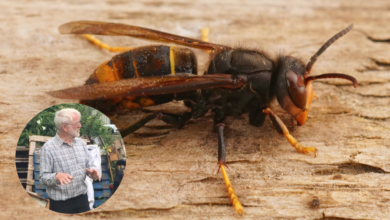
Will my colonies avoid disaster this winter?
News from the Fonmon Apiary with Harold Williams

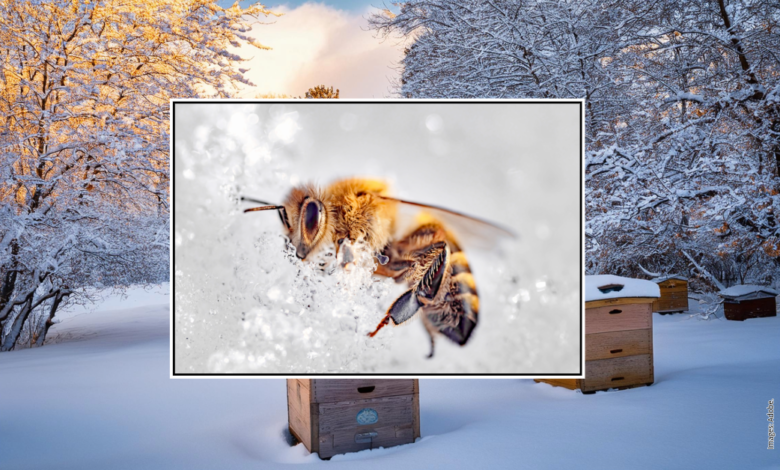


DRY and sunny conditions of late, with temperatures in the upper teens, have provided optimum conditions for the foraging bees.
However, unsettled weather is the forecast for the coming days so how will the bees cope? Any dry spells will see foraging being pursued and, with the daylight hours becoming shorter and forage plants diminishing, every opportunity has to be exploited to the full.
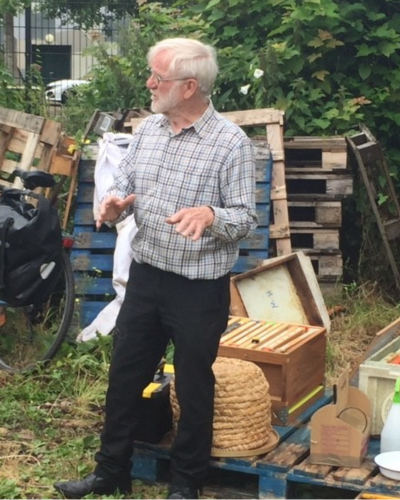
Pollen that I collect from the underfloor trays is predominately still Ivy and Charlock. This is the time of the year when colonies are aware that winter is on the way. O ur Queens should be reducing the number of eggs they lay, and at the moment I cannot see any indications that this is so. The brood areas are showing eggs, larvae and sealed cells in abundance.
In essence, the bees that will develop from the eggs and larvae will be our winter occupants of the hives. These winter bees are very different from their summer sisters. Their lives will be longer and their workloads almost nil. Providing that in house stores are in place and accessible, winter should pose no threat at all.
The winter of 25/26 saw my 10 well-provisioned colonies wiped out – along with many others throughout the British Isles. What was the cause? We still do not know! The Varroa mite has been the main suspect but those beekeepers who applied control measures still lost their colonies. My three colonies are monitored for mite numbers, which at present are very, very low. I therefore see no threat from them this winter.
With our winters being milder and wetter, I intend to provide better protection of the hives. To start with, I have made up canvass covers that are waterproof; these will enclose the hive body except for the fronts so that bees can exit should they need to do so. In addition, larger roofs will shed water clear of the hive bodies. At present the normal roof is a flat one that only just fits over the hive. Its water shedding properties are very poor. The replacements are just like your house roof but with plenty of hive body clearance.
Will this winter protection attempt give the colonies a better chance of survival? Who knows! Of the three colonies, two are this year’s swarms. There were our but two departed after a month’s stay.
Am I to be a beekeeper next year? Or will I become a stamp collector instead?
By Harold Williams
- Will my colonies avoid disaster this winter?
- What does my ‘Sentinel Apiary’ actually do?
- The bees are clustering to survive the northern winds
News, Letters, Sport and advertising are welcomed by the Glamorgan Star – the largest newspaper or magazine in the Vale of Glamorgan. Contact us today here.

Two late yellow cards cost Barry in ‘courageous performance’

Cardiff museum in need of £46m for urgent repairs

Vale teams are busy with Cup action

Barry Youth’s plan comes together in style

Cup win for Barry but they lose ground in league

Fine win at home for Pencoed RFC


j


⭐ All of our social media in one handy place – here