


LAST month’s column looked at how governments are tackling climate change. This month I look at how we can live more sustainably and reduce our carbon footprint.
One of the most important activities is to hold politicians and businesses to account to ensure they take urgent action on the climate crisis and make sustainable lifestyles cheaper and easier for us all. You could also consider joining an organisation or supporting a campaign that focuses on environmental activities.
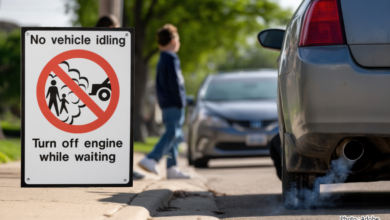
Private transport is one area where individual action can have a major impact. It is one of the world’s biggest sources of greenhouse gases so as an alternative to driving, walk or cycle – and enjoy the wellbeing benefits and the money saved. Investigate trading in your diesel or petrol car for an electric vehicle. If you drive a lot, you could save substantially on fuel costs, especially with a time-of-use EV-tariff. Mile for mile, flying is the most damaging way to travel for the climate so, if possible, consider whether it’s possible to go by coach or train, this is likely to be far more climate friendly.
Energy efficiency also has a key role in addressing the climate emergency so making sure your home is well insulated is vital. A range of impartial advice at no cost is available from the Welsh Government Warm Homes Nest scheme and, if you are eligible, you can receive a package of free home energy efficiency improvements. Simple actions such as putting on an extra layer and turning down the heating a degree or two will help you use less energy, cut your carbon footprint and your energy bills.
Farming, processing, packaging, and transporting food contribute significantly to climate change. Buying local and seasonal can reduce this impact. Check out the Food Vale website, where they’re working to build a thriving, healthy and sustainable food system. Meat and dairy specifically account for around 14.5% of global greenhouse gas emissions. Replacing meat with a plant-based diet is better for your health and protein-rich pulses can also offer savings. Don’t forget to minimise food waste by planning meals and properly storing leftovers, and make sure you recycle any food waste.
Finally, purchasing items that you need and taking every opportunity to repair, reuse, upcycle and customise instead of throwing them away is financially and environmentally beneficial. We all need to consider what we buy. According to Oxfam, if all UK adults bought half of their next wardrobe second-hand, it could prevent 12.5 billion kilogrammes of carbon dioxide emissions from entering the atmosphere. Also, use rental services for special occasions rather than buying new clothes.
All these suggestions show how we can all play our part in fighting climate change, but that doesn’t let governments or large polluting companies off the hook, they still need to introduce the sweeping changes required to address the climate crisis we are facing and quickly.
By Brian Mayne
- The views expressed by columnists of this newspaper do not necessarily reflect the views of the Glamorgan Star, its employees or its proprietors.
Other items to read:
- Let’s build something better for our communities
- Plaid Cymru is ignoring plight of Heath Hospital
- Vale Show highlights importance of the rural economy
- I’m proud that all parties agreed on children in care plan
- Royal Welsh highlights the role of the rural economy
⭐ All of our social media in one handy place – here


Pencoed tangled up by ‘Seaweeds’

Primary school’s former deputy head is banned from teaching

I make no apologies for calling Plaid Cymru ‘separatists’

‘The importance of participation and continued learning’

Opposition leaders clash with First Minister over independence rally

How Kevin saved a stranger’s life