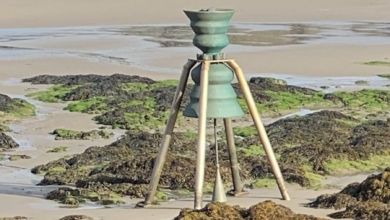


THE RNLI is using Sully Island to front a safety campaign in the lead up to the Easter break.
RNLI statistics for Wales show people getting cut off by the tide caused almost eight per cent of all lifeboat launches over the last decade – more than double the UK average. An incoming tide can quickly leave people stranded.

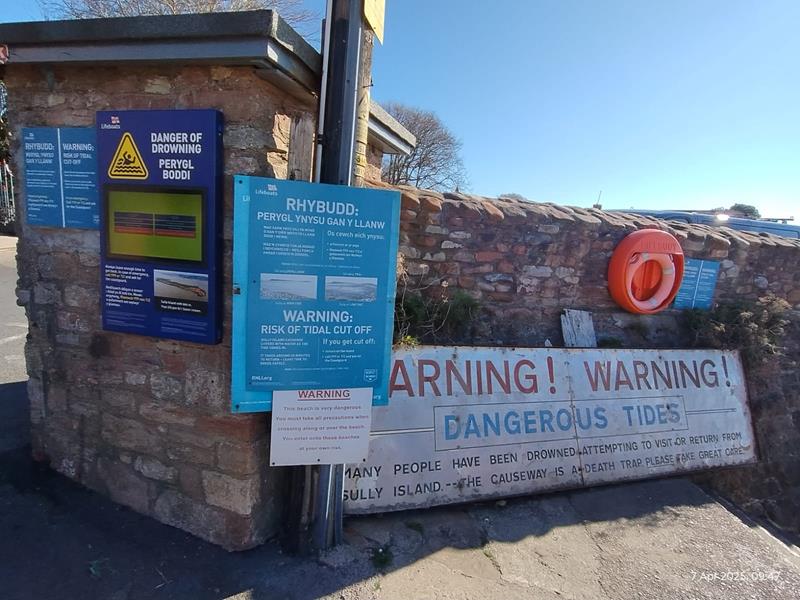
A survey by Bangor University has revealed surprising levels of ignorance among visitors to the coast. The survey found that around 60% of those who had experienced tidal cut off were shocked at the speed they had become stranded.
The research also showed that four in 10 people have no basic understanding of the tides and only half claim to check tide times before visiting a beach.
An RNLI spokesperson said: “On bigger tides that we will see in April, places will be cut off by the tide quicker than normal and places usually unaffected by the tide may also be cut off.
“One of the tidal cut off hot spots in Wales is at Sully Island, where we are exploring new avenues to warn people of tidal cut offs, recognising reading tide tables is a barrier. This weekend will see the return of volunteers patrolling the entrance of the causeway for a second year running during primary tidal cut off periods.
“This intervention was incredibly successful last year in minimising the amount of people that were cut-off on Sully Island. The RNLI has launched an appeal for more volunteers to give up their time to be part of this project.”
Barry Dock RNLI launched twice in five days last week specifically to rescue people cut off by the tide at Sully Island – bringing the total number of people rescued from the island in five days to eight.
The spokesperson said: “Once the causeway to Sully Island has started to submerge, they may be stranded for up to six hours, often without appropriate clothing, shelter, or access to medical supplies. Prolonged exposure to the elements can pose serious health risks, and some may be tempted to try and swim back – a dangerous decision in fast-moving water.
“The narrow channel between Sully Island and the mainland acts like a funnel and although it may appear calm, as the tide rises, water can surge through at speeds of up to 7 knots or approximately 8mph. That’s fast enough to knock you off your feet in mid-calf deep water, sweeping you into the cold sea where you could experience cold water shock and be quickly carried out into the Bristol Channel.”
To help reduce incidents, the RNLI Sully Island Water Safety Team, made up of volunteers from Barry Dock and Penarth RNLI stations, will begin their patrols from the start of the Easter break. Volunteers will be stationed at the causeway during busy times, offering advice to walkers and visitors about tide times, safe crossing points and the risks involved.
Anna Snow, RNLI volunteer water safety officer, said: “Sully Island is a lovely place to explore, but it’s vital to respect the water and understand the risks. The tides can be unpredictable and fast-moving depending on where you are along the coast. We urge everyone to check tide times, follow safety advice, and always have a means of calling for help. Your safety is our priority.”
.
- Porthcawl RNLI rescue sailor from doomed yacht
- Lifeguard Connie’s special offer – order one rescue, get two more free!
- Tidal dangers on coast are highlighted

⭐ All of our social media in one handy place – here

Pencoed tangled up by ‘Seaweeds’

Primary school’s former deputy head is banned from teaching

I make no apologies for calling Plaid Cymru ‘separatists’

‘The importance of participation and continued learning’

Opposition leaders clash with First Minister over independence rally

How Kevin saved a stranger’s life