Water voles return to the Thaw after 20 years



WATER voles have been re-introduced to the Vale by a project to bring the UK’s fastest declining mammal back to the River Thaw.
The Wildlife Trust of South and West Wales (WTSWW), South East Wales Rivers Trust (SEWRT), Initiative for Nature Conservation Cymru (INCC), Natural Resources Wales (NRW), and the Vale Council’s Restore the Thaw project have released over 200 captive bred Water voles along the river.
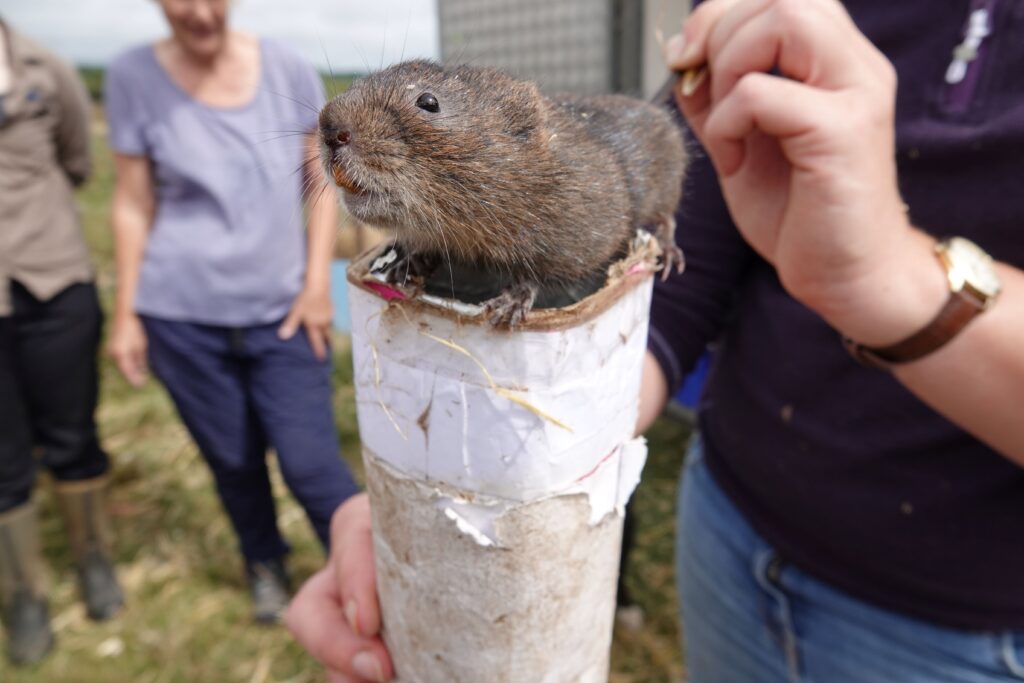
Water voles used to be common across waterways in Wales but are now a rare sight across the country. They have declined 90% in the past 30 years due to habitat loss, pollution and predation by non-native American mink.
This reintroduction follows four years of planning and work to improve the habitat and reduce the number of mink on site.
Rob Parry, chief executive officer at INCC, said: “We identified some excellent habitat along the River Thaw. It’s got plenty of ponds, slow moving waterways and boggy areas. Water voles need soft banks for their burrows and an abundance and variety of vegetation to eat. The Thaw has all this which means they should thrive.”
Alyssia Thomas, SEWRT project officer, said: “We have been working with multiple landowners to improve habitats in the Vale. Their passion for Welsh wildlife has been crucial to the work we do.”
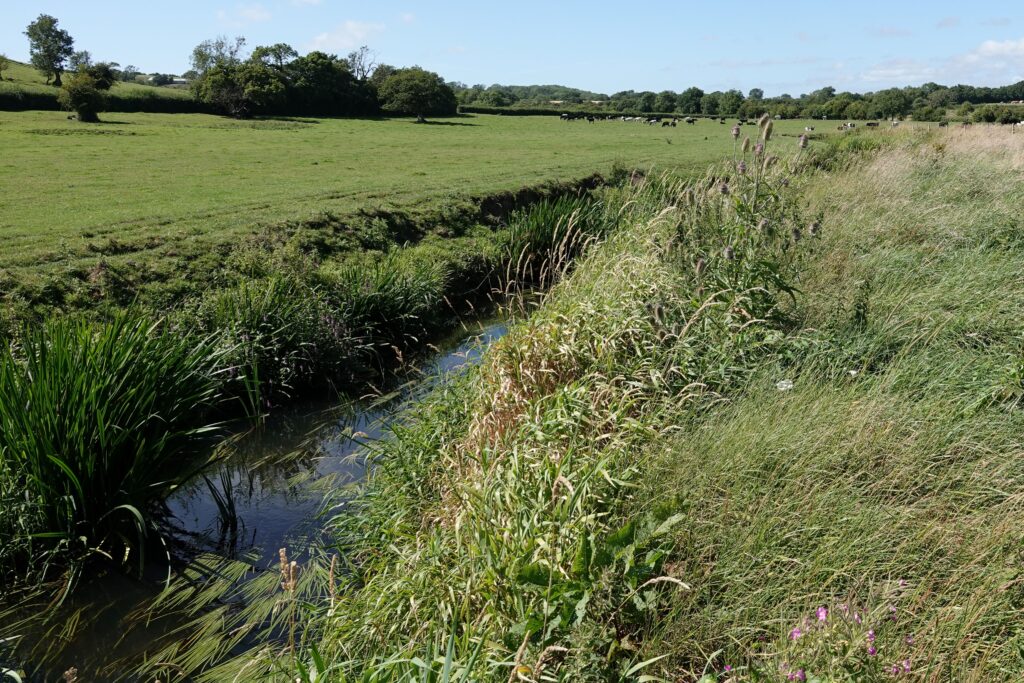
The voles were bred at NRW’s hatchery in Cynrig and a facility in Devon, ready for release onto the Thaw. They arrived on the release site earlier this month, where they spent a few days acclimatising to their new environment in temporary pens, before being released. The hope is that these voles will go onto breed successfully and repopulate the River Thaw catchment.
Rhodri Irranca-Davies, nature recovery manager at WTSWW, said: “This release marks a significant step in the recovery of Water voles in the Vale.”
As ecosystem engineers, Water voles form an important part of the river ecosystem. Their burrowing brings nutrients to the surface, helping to improve plant diversity on the riverbanks, in turn benefitting a host of other species. They also form an important part of the food chain, supporting predators like otters, herons and birds of prey.
Restore the Thaw and supporting partners delivered training sessions as part of the project to provide local people with the skills to be able to recognise and record signs of Water vole activity.
Melanie Stewart, Restore the Thaw project manager, said: “Most people in the Vale will have never seen a water vole. We hope that, with the training we have provided, the community will be able to spot the signs of Water voles and help us track the progress of the reintroduction.”
The scheme is funded by the Welsh Government Nature and Climate Emergency (NaCE) capital programme. The programme supports a number of environmental priorities including peatland restoration, metal mine remediation, fisheries, water quality and national forests.
- What does my ‘Sentinel Apiary’ actually do?
- The bees are clustering to survive the northern winds

- Protecting our planet – by Brian Mayne

⭐ All of our social media in one handy place – here


First Minister accused of ‘letting victims down’ over grooming gangs inquiry
What does my ‘Sentinel Apiary’ actually do?

Trio are sentenced over ‘drugs in prison’ plot
The bells, the bells – bringing a Time and Tide Bell to Barry

Penalty shoot out leads to Cup exit for Airport

Ring rusty Barry RFC make a promising start