

A TEACHER AT Cadoxton Primary School has received a prestigious award for inspiring children to learn about local history.
Shellie Brown, who teaches year-2 at the school, won the inaugural Historical Royal Palaces Inspiring History Teaching Award for the Wales area.
Ms Brown was one of 10 winners from regions of the UK and judges praised her for the “joy, curiosity and community” in her history lessons. They said: “Pupils became active historians, investigating their school’s story, collecting over 100 survey responses and working with local historians and builders.”
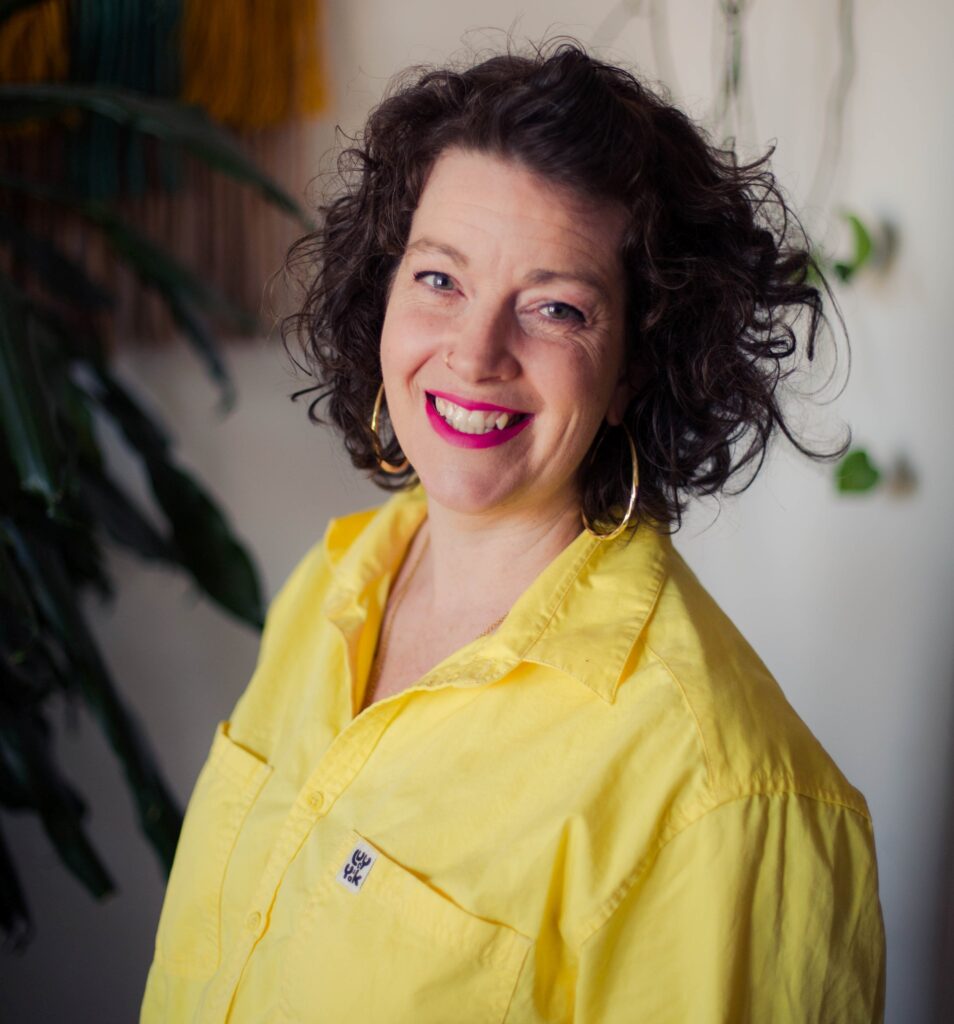
Ms Brown was born in 1982 and grew up in Grantham, Lincolnshire. As a young adult, she spent more than a decade living and travelling in Spain, before settling in Barry Island with her partner.
The new Curriculum for Wales (CfW), which was rolled out from 2022, gave schools a degree of autonomy in their teaching, and in history lessons, the emphasis is on children learning about their local area to begin with. Ms Brown said: “I welcome the way we’re encouraged to introduce children to history. Cadoxton and Barry as a whole has a rich, fascinating past, and I love teaching the children about everything that went on. It’s wonderful to see them embrace it with such enthusiasm.
“We have had guest speakers in the classroom, we’ve gone on trips to St Fagans and to the Barry War Museum, they have learned about David Davies, who played a major role in Barry’s development, and lots more.”
The history of their own school has been a key component of Ms Brown’s teaching, called “Cynefin Inquiry – What is the Story of Cadoxton Primary School; its Past, Present and Future?”. Pupils created a survey that generated more than 100 local responses: “We have brought guest speakers in who attended the school in the 1950s, and the children were keen to find out what it was like back then. The cane was used to punish children in those days, but it certainly wasn’t all bad. They received milk every day, which improved child nutrition, supported healthy growth, and enhanced concentration in an era when the food available was much more limited than today.
“It’s also good for them to find out how things have changed since my generation attended primary school in the 1980s and the first half of the 1990s.
“I went to primary school in Lincolnshire, but it would have been similar in Cadoxton. I remember my school having one BBC computer with a bulbus screen and primitive graphics.
“Back then, teaching was done on blackboards with chalk, there were no touch-screen tablets or iPads.
“Izal toilet paper was found in schools for decades. It was like tracing paper, and it was still being used in the 1980s and 90s. Children seem shocked when we tell them that was the norm in school toilets,” she said.
When former pupils from decades past return to the school, the familiar meets the unfamiliar, and Ms Brown says one remark is made time and again. She said: “They’re very often taken aback by how small everything seems. The last time they set foot in the building, they would have been young children. Now they’re fully-grown adults, and everything seems much smaller as a result.
“The shape of the classrooms are much as they remembered them, but the technology is on a completely different level now.”
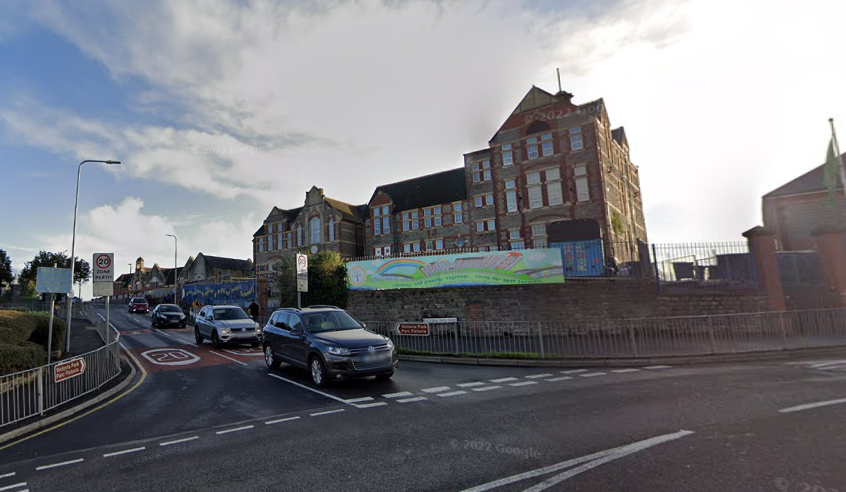
Cadoxton Primary School is on a hill and the bell tower can be seen from some distance away, although the bell itself went missing many years ago, but Ms Brown says efforts are well underway to replace it: “We found a piece of rope in a disused cupboard next to the tower that we think was probably used to ring the bell.
“Plans are afoot to use money raised from the Christmas market to install a modern bell to keep the story going,” she said.
Ms Brown hopes that her teaching methods are installing a lifelong love of history in the children: “I’ve had a passion for history from a young age, and I really hope the children I teach will be the same.
“I’m starting a journey for them. As they get a bit older, they’ll be looking at the wider south Wales area, and the importance of coal. Of course, Barry Docks played a vital role in that as the world’s busiest coal exporting port by 1913.
“After that, they’ll be learning more about British history, the Roman influence, the kings and queens, the Great Fire of London, international history, and the world wars of the last century.
“History all links together, but to begin with, we start with the community they’re growing up in and where they attend school. It’s wonderful,” she said.
Ms Brown paid tribute to her fellow teacher Miss Kimberley Perrett for everything she had done to help with the history projects.
On 20th June, Ms Brown will join the nine other regional award winners for a ceremony at the Tower of London where the overall winner will be decided by a panel of seven judges that includes well-known historians Greg Jenner, Dan Jones and TV presenter Lucy Worsley. Ms Brown said: “I’m really looking forward to the ceremony at the Tower. There’s so much rich history there for me to explore, plus I’ll get to see the Beefeaters and the ravens.
“It’ll be wonderful to meet the other regional winners and to hear about their experiences. It’s also an opportunity for us to learn from one another, and I’m sure it’s going to be a very special day.”
By Marcus Stead – News Reporter
News, Letters, Sport and advertising are welcomed by the Glamorgan Star – the largest newspaper or magazine in the Vale of Glamorgan. Contact us today here.
⭐ All of our social media in one handy place – here
First Minister accused of ‘letting victims down’ over grooming gangs inquiry

What does my ‘Sentinel Apiary’ actually do?

Trio are sentenced over ‘drugs in prison’ plot
The bells, the bells – bringing a Time and Tide Bell to Barry

Penalty shoot out leads to Cup exit for Airport

Ring rusty Barry RFC make a promising start
- Barry students celebrate exam results
- Llantwit Major School celebrates record results
- Parent may have to lose job for school run