AFTER months of criticism about the state of rivers and sea bathing waters in south Wales, Natural Resources Wales (NRW), has shone its own spotlight on work done by staff.
In a press release, NRW has detailed the work of Leon and Karen, who check water quality between the River Ogmore and Barry.
It is part of the South Central Bathing Waters Project, aiming to understand why water quality at Ogmore-by-Sea and Watch House Bay in Barry has been classified as ‘poor’ under the Bathing Water Regulations (2013) in recent years, and what can be done to improve it. But understanding water quality takes more than chemistry alone.
Leon, an environment officer for Natural Resources Wales (NRW), visits the River Ogmore, filling sample bottles and runs a series of tests on the spot. Using portable equipment, he can check for indicators such as ammonia and phosphate levels. He can run rapid bacteria tests that provide results within minutes.
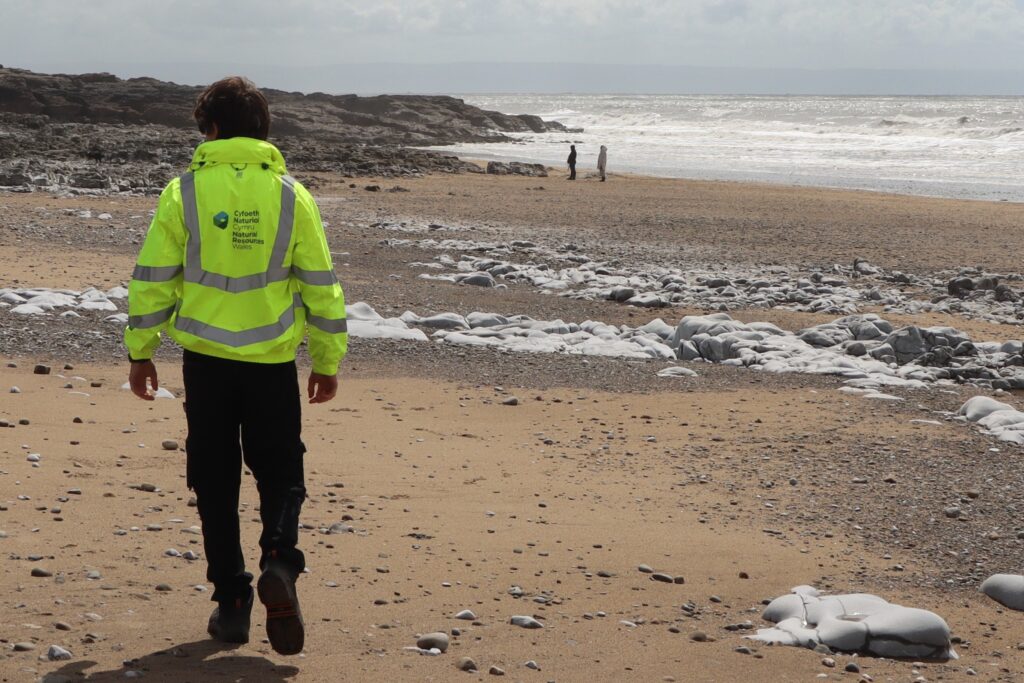
The press release adds that he checks rivers, streams and drainage outfalls and follows the flow of water, looking for clues.
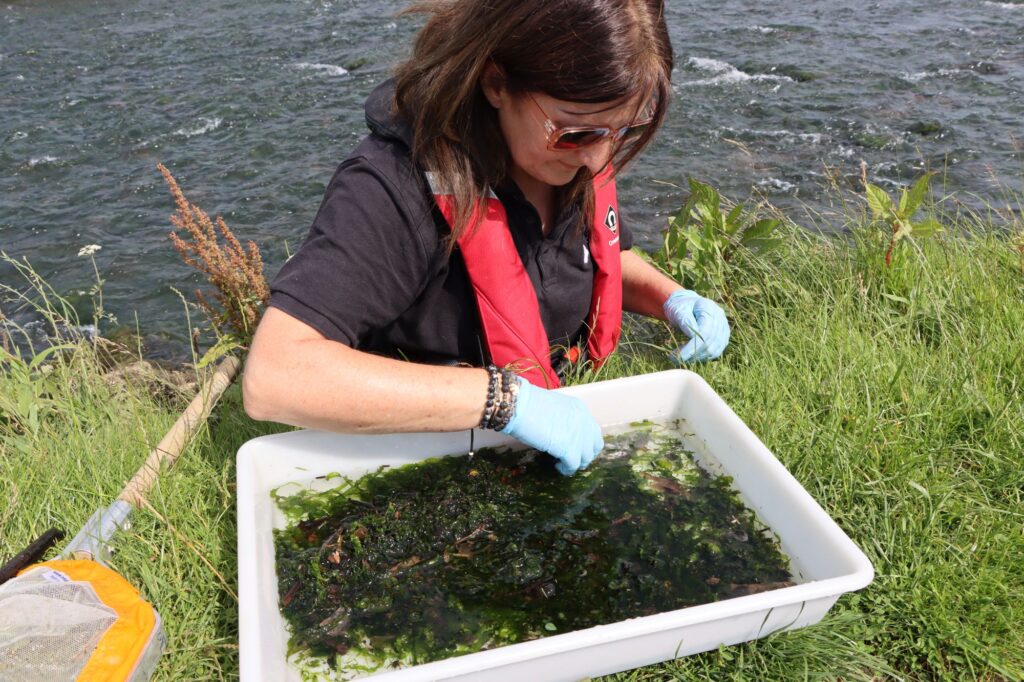
He is accompanied by his colleague Karen, an environment officer with a background in ecology, who works in a different way. With a net in hand, she gently kicks the riverbed, disturbing the stones beneath her feet. Tiny insects drift up into the net. Mayflies, caddisflies and other groups of insects most people would never notice hiding under the stones.
For Karen, they tell a longer story. She says: “These insects are like a living record of the river. Some can only survive in really clean water, others can tolerate different types of pollution. By looking at what’s there and what’s missing, we can understand what the river has been through over time.
“Where water chemistry can tell you what is happening in the river at that moment, looking at these insects can tell us if any pollution has gone into the river over the last few months. When we find evidence of pollution we can work our way upstream until we find the point where insect life returns to what it should be, and then we have narrowed down the source of the problem.”
The press release says: “This is where the work to improve bathing water quality begins. It does not start at the beach, but across the entire system that feeds it.
“Over the next year, they will be working across the catchment, from upland streams and farmland to towns and coastline, combining detailed investigation with conversations on the ground. They will use both fieldwork and data analysis to target their efforts, this includes:
- testing water quality, particularly after wet weather.
- finding where pollution enters rivers and streams.
- identifying drainage problems, including wrongly connected pipes.
- working out where harmful bacteria are coming from.
- checking how healthy rivers are by looking at the wildlife in them.
But their role is not just technical. Throughout the summer, Leon and Karen will also be out meeting people on beaches, along riverbanks and in local communities. They will be sharing what they are doing and hearing directly from those who know these places best.
This will include pop-up engagement at beaches, informal conversations with residents and visitors, and working with groups such as anglers, surfers and swimmers to gather local insight.
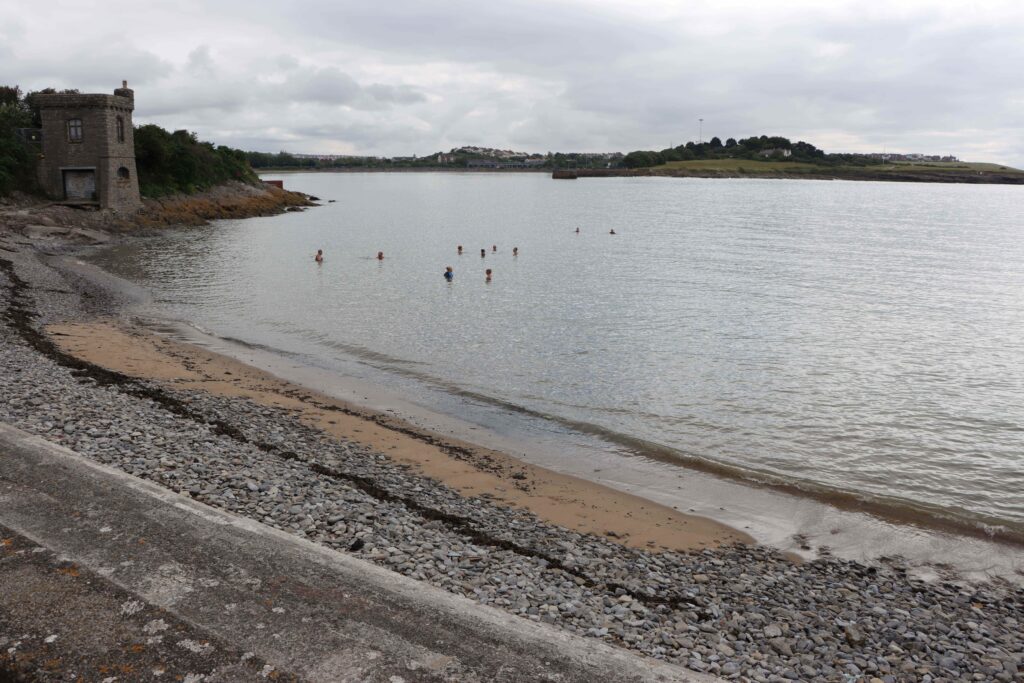
Leon said: “Most people experience the sea at the end of the journey. But what affects water quality starts much further upstream. We are trying to connect all those pieces. Every sample, every test and every conversation helps us build a clearer picture of what is really going on, and reports from the public can make a real difference in helping us understand what’s happening.”
Water quality at bathing waters can be affected by a combination of factors, including heavy rainfall, pressure on drainage systems, pollution from urban areas, misconnections where wastewater enters the wrong pipes, and runoff from farmland.
The South Central Bathing Waters Project is led by NRW and will run until March 2027. It aims to build a detailed understanding of water quality across the catchments, identify where pollution is coming from, and use that evidence to inform practical, long-term solutions.
Alongside the fieldwork, the project brings together organisations to work across the catchment, including Dŵr Cymru Welsh Water, Bridgend County Borough Council, Vale Council and Shared Regulatory Services.
Dav Letellier, Head of Operations South Wales Central for NRW, on behalf of the organisations involved, said: “Improving bathing water quality at Ogmore-by-Sea and Watch House Bay is a challenge no single organisation can solve alone.
“By working together and sharing what we know, we can make more progress than any of us could separately. We are also committed to involving wider stakeholders and working with local communities.”
Local people will be able to meet the team during the summer months at engagement activities across the catchment. NRW is encouraging anyone who lives, works or spends time in the area to get involved.
Dav added: “If you have seen pollution, noticed changes in rivers, or have local knowledge about drainage or water quality, your insight could make a real difference.
“We will be out across the catchment and are keen to speak to anyone who wants to share their experience.”
People can also play a practical role in improving water quality by checking for simple issues at home, such as misconnected pipes, where wastewater may be entering surface water drains instead of the foul sewer. Visit Dŵr Cymru Welsh Water’s website for more information.
Anyone who suspects pollution is encouraged to report it to NRW online or via the incident hotline on 03000 65 3000.
Signs of pollution to look out for include:
- Milky, cloudy, or grey discolouration in the water.
- Dead or distressed fish.
- Strong sewage or chemical smells.
- Toilet-related debris (wet wipes, sanitary products).
- Brown or green water flowing into streams from agricultural fields, particularly after heavy rain.
- Oil-like sheens, excessive foam, or thick scum on the water surface.
For more information or to get involved, visit here.
By Philip Irwin – Senior News Reporter
- First Minister accused of ‘letting victims down’ over grooming gangs inquiry
- Two venues benefit from Arts Council cash
- Welsh Government puts Rhoose housing on hold
News, Letters, Sport and advertising are welcomed by the Glamorgan Star – the largest newspaper or magazine in the Vale of Glamorgan. Contact us today here.



TV personality comes to Penarth

First Minister accused of ‘letting victims down’ over grooming gangs inquiry

What does my ‘Sentinel Apiary’ actually do?

Trio are sentenced over ‘drugs in prison’ plot
The bells, the bells – bringing a Time and Tide Bell to Barry

Penalty shoot out leads to Cup exit for Airport
j


⭐ All of our social media in one handy place – here